Get Full Government Meeting Transcripts, Videos, & Alerts Forever!
Get email alerts on the Military Tenant Protections topic
No spam. Unsubscribe anytime.
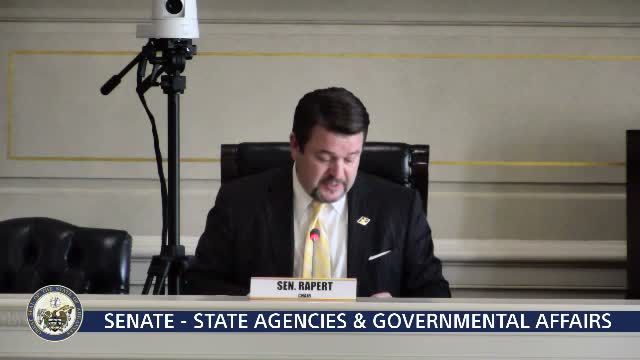
Senate committee advances bill letting National Guard members end leases on activation; landlords urge state reimbursement
Summary
A Senate committee approved SB 165 to extend active-duty lease-break protections to National Guard members activated for long deployments or moved by PCS. Lawmakers debated a six-month primary-residence test and a landlord urged state reimbursement for lost rent amid COVID-19 pressures.
Senator Jim Hendren presented SB 165 to the State Senate committee, saying the bill would extend to National Guard members the same protections active-duty service members now have to terminate real-estate or rental leases when activated or reassigned. Hendren said the proposal would apply when a guardsman is activated for more than 180 days, moved more than 50 miles because of a permanent change of station, or discharged after serving at least six months.
The bill prompted questions about a new definition of "primary residence" that would require a tenant to have lived at an address for at least six months in the aggregate before qualifying for the protection. Senator Garner warned that the six-month requirement could prevent a guardsman who had lived somewhere three months from breaking a lease, leaving the tenant liable for the remaining term. Hendren said the provision aims to prevent abuse—such as renting a short-term place to gain immediate eligibility—and said he would consult with military contacts about technical fixes to the language.
Senator English and others pressed the sponsor on differences between active-duty and Guard activations and on whether guardsmen always receive advance notice of deployments. Hendren noted the bill includes an alternative qualification: if rent is paid using a housing allowance issued to the soldier or airman by the Arkansas National Guard, the service member would qualify regardless of the six-month rule. He and committee members discussed that traditional guardsmen typically do not receive that housing allowance while AGR (full-time Guard) personnel do.
A private landlord, Paul Calvert, testified in opposition to imposing the cost on individual property owners. Calvert said about 35% of his rental income currently comes from veterans and described widespread unpaid rent among tenants during the COVID-19 pandemic. "I think it's a little bit of a problem when the state is going to tell a landlord that they must be, charitable," Calvert said, urging instead that "the state treasury foot that bill rather than landlords" so property owners are not left to absorb months of lost rent.
Hendren replied that existing law already requires a service member to provide written notice and to pay the current month's rent and next month's rent in order to terminate under current protections, and he argued the bill offers clearer protection for guardsmen than what exists now. He indicated he was open to tweaking the technical definition if stakeholders preferred.
Senator Garner moved to pass SB 165; Senator Tucker seconded. The committee held a voice vote and the chair announced the bill passed. No opposing voices were recorded in the transcript. The committee adjourned and members were reminded to return Thursday for a fuller agenda.
The committee record shows the sponsor will continue to consult with military staff to confirm whether the six-month aggregate residency requirement and the housing-allowance clause accomplish the intended protections, and whether statutory language needs technical revision before final enactment.