Get Full Government Meeting Transcripts, Videos, & Alerts Forever!
Get email alerts on the Va Outreach Covid topic
No spam. Unsubscribe anytime.
VA staff tell state committee COVID-19 has increased crisis demand; peer outreach and telehealth highlighted
Summary
Central Arkansas VA suicide-prevention staff told the Senate committee COVID-19 has driven up crisis-line calls and outreach needs, described peer-based programs that local partners credit with lower suicides in Baxter County, and said telehealth (VVC) and targeted outreach have reduced no‑shows but face broadband limits in rural areas.
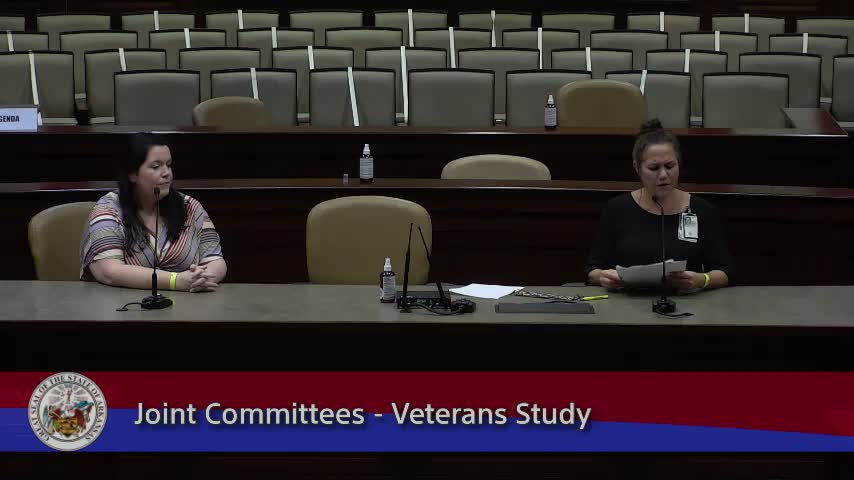
Lara Watlington, an LCSW and suicide-prevention program manager at the Central Arkansas Veterans Healthcare System, and Hannah Davidson, an LCSW and suicide-prevention coordinator at the Department of Veterans Affairs, briefed the State Agencies & Governmental Affairs Committee on current VA suicide‑prevention work and local outreach needs.
Watlington said the VA is seeking stronger community partnerships because "VA alone cannot reduce veteran suicide." She described what CAVHS can provide — evidence-based training, outreach materials and help promoting the Veterans Crisis Line — while noting limits on providing direct small grants or reimbursements. "We have a lot of resources... but we cannot do it ourselves," she said.
Davidson described a prevention continuum from in‑clinic screening to community networks and peer support, and said the VA has expanded phone outreach and VA Video Connect visits during the COVID‑19 pandemic. "We've definitely... seen an increase in veterans calling the crisis line," Davidson said, noting the VA has seen an increase in requests for mental‑health services and some logistical access confusion among veterans during the pandemic.
Committee members pressed for clarity on local trends. Watlington said Baxter County’s high rate reflects both a high per‑capita veteran population (she cited roughly 6,000 veterans in the county) and rural access challenges; she also said a local DAV‑led, volunteer outreach program backed by a small grant helped the county expand outreach. Davidson and Watlington cautioned that state-level completed‑suicide trends are difficult to infer solely from local call logs and that the VA’s tracking focuses on veterans eligible for VA benefits.
Members asked about demographic trends. Davidson said the VA tracks caller diversity and has seen more women accessing care. She also noted cultural factors affect different groups’ access to care and that reservists and guardsmen can face employment and reintegration stresses that increase risk.
Several legislators raised operational concerns: broadband limits for telehealth in rural communities, how to reach older veterans who may struggle with apps, and a constituent allegation that a Little Rock VA facility moved from a scan card check‑in to handwritten forms without sanitizing pens during COVID. The Chair said he would follow up on that local complaint.
Ending: VA staff encouraged legislators to use the Veterans Crisis Line and to coordinate with local partners; the committee thanked them and moved to other business.