Get Full Government Meeting Transcripts, Videos, & Alerts Forever!
Get email alerts on the Small Business Relief topic
No spam. Unsubscribe anytime.
Arkansas small-business owners tell committee unemployment systems, relief loans left them behind
Summary
Two El Dorado small-business owners told the State Agencies committee they were denied multiple relief programs, had trouble accessing pandemic unemployment assistance and detail restrictions that hampered reopening — prompting legislators to press agencies for follow-up.
Two small-business owners from El Dorado told a legislative State Agencies committee on May 19 that state and federal relief programs did not reach them and that reopening rules left them unable to recoup months of lost income.
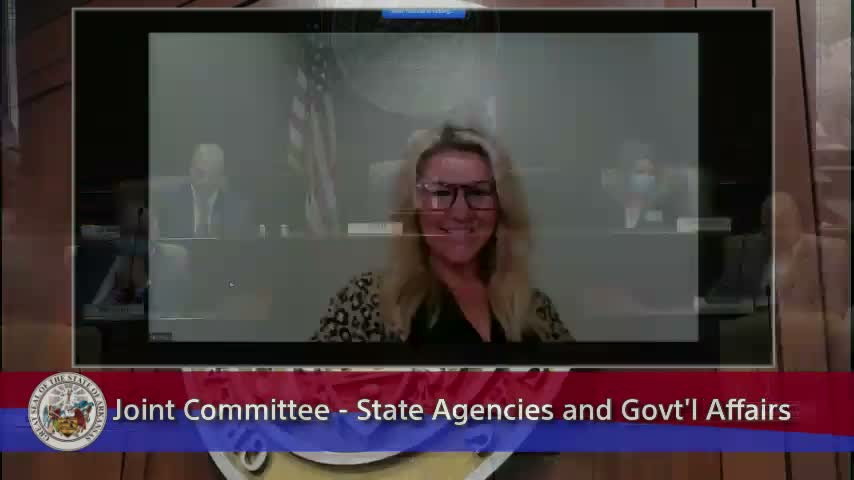
Heather Gilmore, who said she has owned a Union County salon for 14 years, told the panel she closed after Governor Hutchinson's March 23 COVID-19 order and that from March 25 to May 6 her family had no income. Gilmore said she and the six stylists who work out of her storefront made repeated attempts to apply for unemployment and pandemic unemployment assistance (PUA) but were denied multiple times; she said she received food stamps on April 26 while still waiting for the promised unemployment support. "From March 25 to May 6, my family had no income," Gilmore told the committee. She described reopening restrictions that she said made it hard to operate: salons limited to 35% capacity, no walk-ins, temperature checks and intensive cleaning between clients.
Tatum Abbott, owner of Mina Rees antiques and bridal registry, described a similar experience. Abbott said she has no employees and was denied a range of programs, including SBA loans, the Paycheck Protection Program and state grant programs, often because she was classified as self-employed or as a microbusiness without employees. "I've applied for just about everything I could and been denied on everything," Abbott said, adding she is "three months behind on bills" and relies on personal help to get by.
Committee members pressed both witnesses for details about what applications were submitted and when. Representative Laderman suggested some applicants without employees can still access certain CARES-era small grants or disaster programs; Representative Blayman and others pointed Abbott and Gilmore to programs they might pursue. Several lawmakers, including Senator Johnson and Senator Clark, said their offices had heard similar stories and pledged to follow up with agency staff to check whether notices and correspondence had been sent as officials publicly described.
Why it matters: Legislators said the testimony showed gaps between policy intent and claimant experience. The committee requested follow-up correspondence and documentation from the witnesses and signaled it will press agencies for clearer communications about PUA eligibility and timing.
What happened next: Committee leaders asked the witnesses to provide any correspondence they received from state agencies so staff can verify whether written notices went to applicants as described and to identify any systemic failures.