Get Full Government Meeting Transcripts, Videos, & Alerts Forever!
Get email alerts on the Patient Continuity topic
No spam. Unsubscribe anytime.
Providers and Advocates Warn of Patient Harm as PASS Transition Disrupts Continuity of Care
Summary
Providers, residential-care operators and parent advocates told legislators the rollout disrupted primary-care relationships, pharmacy access and services for vulnerable patients; witnesses urged DHS and PASSs to prioritize continuity and to publicize ombudsman and escalation contacts.
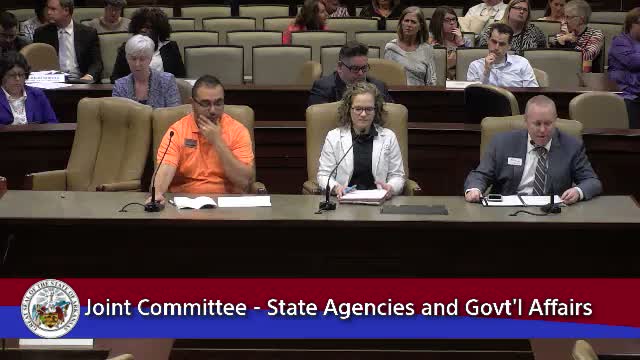
During a joint legislative hearing, clinicians, parent advocates and residential-care operators described instances in which Medicaid beneficiaries temporarily lost ready access to their usual primary care clinicians or pharmacies after PASSs moved to managed care modules on March 1.
Multiple legislators and witnesses recounted cases where primary-care assignments disappeared from beneficiary panels after the system switch and pharmacies received real-time rejections at the point of adjudication that cited providers as "not enrolled." Pharmacists said those point-of-sale denials prevented them from filling essential prescriptions and left vulnerable patients without timely medications. Testimony from Dr. Randy Casasilla and Britney Sanders of community pharmacies described inconsistent formularies across PASSs and examples where plan-level pharmacy benefit manager rules required brand-name fills while reimbursing at levels below acquisition cost.
Residential providers and parent advocates warned of immediate risk to people with chronic mental illness and developmental disabilities if home- and community-based services stop; Linda Short, who operates licensed residential beds, said some assessments and care-coordination interactions have been delayed and that Optum assessments and authorization denials add to the strain.
DHS and PASS officials said out-of-network providers can continue to treat PASS members and that PASSs have applied transition policies (for example, temporary in-network treatment at Medicaid-equivalent rates during a transition window) but acknowledged communication and implementation gaps. DHS officials said they will produce an ombudsman contact list and a daily ticketing report showing open provider and beneficiary complaints; PASSs said they have provider-relations and complaints teams that can process escalations and, in some cases, issue accelerated payments while claims are corrected.
The committee asked DHS and PASSs to document how primary-care assignments were generated during the transition, to provide copies of provider contracts and to explain when and how beneficiaries will be notified of which providers are currently in-network.
What happens next: DHS agreed to circulate a one-page infographic and contact list for ombudsman and escalation lines and to work with PASSs on communications to beneficiaries. The committee kept open the question of whether to delay the May 1 open-enrollment effective date until networks and communications stabilize.