Get Full Government Meeting Transcripts, Videos, & Alerts Forever!
Get email alerts on the IEC Disclosure topic
No spam. Unsubscribe anytime.
Lawmakers debate tighter disclosure for independent‑expenditure committees; privacy and enforcement concerns arise
Summary
A representative asked the Senate subcommittee to require independent expenditure committees to include 'paid for by' on printed materials and align reporting schedules with candidates; supporters said it levels the playing field, while others warned of donor privacy and implementation costs.
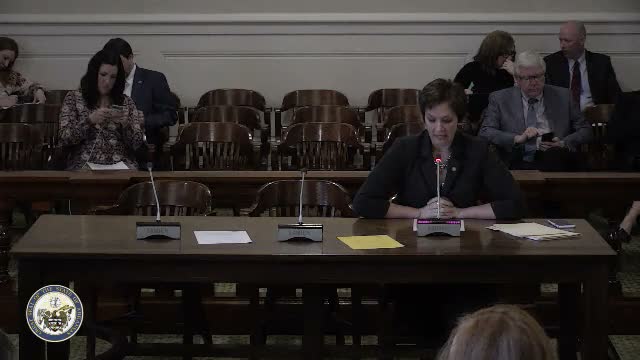
Representative Jana Dela Rosa presented House Bill 1878 to the subcommittee, saying the bill would require independent expenditure committees (IECs) to include ‘paid for by’ on printed materials and align certain reporting processes with candidate filings.
Dela Rosa said IECs are already required to register and to disclose in reports, but a 2017 drafting omission left them exempt from one code section that governs printed materials. “If you're gonna spend money for or against a candidate… you should have to put paid for by on it the same way that a candidate has to,” she said, arguing the change would “level the playing field.”
Several members expressed concerns. Senator Ballard warned about privacy and the burden on private citizens who engage in political speech: requiring disclosure on printed material could reveal donor identities and chill participation. A committee member asked whether the change constituted an erosion of citizens’ privacy rights. Dela Rosa and supporters said IECs already must register and file reports; the bills would not broaden the legal definition of IECs or affect issue speech.
Discussion included operational details for paper filings and affidavits: Dela Rosa explained paper filers are handled by staff and would receive rejection notifications if filings are not accepted, and the committee discussed postmark rules for deadlines.
The committee recorded motions and voice votes during consideration of the bills: multiple members moved to pass and voice votes recorded 'aye.' The transcript also contains a later procedural notation that a bill "dies for lack of a second" in one instance; committee members asked to revisit filings and reporting definitions as staff and the Secretary of State's office are consulted.
What happens next: committee members asked staff to coordinate with the Secretary of State and Ethics Commission for implementation details and cost estimates; parts of the bill were advanced in committee record while operational questions were set for follow‑up.