Get Full Government Meeting Transcripts, Videos, & Alerts Forever!
Get email alerts on the Electronic Bidding Public Notices topic
No spam. Unsubscribe anytime.
Senate hearing on SB 409 pits modernization advocates against newspapers over online public notices
Summary
SB 409 would let counties, cities and school districts post procurement notices and accept electronic bids via third‑party or local websites instead of requiring publication in newspapers. Supporters argue it increases competition and cuts costs; newspapers and the Arkansas Press Association warned the bill lacks security, transparency and standards and could disadvantage local businesses and readers.
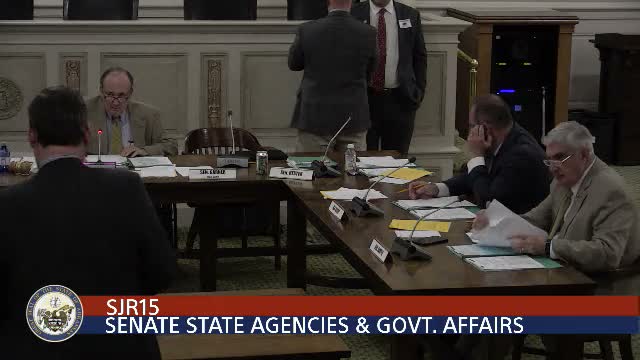
Senate Bill 409, a proposal to allow government entities to post public bid notices and accept electronic submissions on secure websites, drew sustained testimony from vendors, municipal advocates and large parts of the state press on Wednesday.
Sponsor Senator Flippo said the measure is intended to give local governments, cities and school districts an option to advertise and accept bids online rather than being forced to publish in newspapers or trade journals. Advocates argued online posting can make notices timelier, increase the pool of bidders and reduce costs for local taxpayers.
Ted Fleming, cofounder and COO of Central Bidding, described how vendors notify contractors using commodity codes and argued that electronic bidding "increases competition, which is one of the things that drive down pricing." Jason Carter of the Arkansas Municipal League said web publishing could improve speed and responsiveness for local governments.
Newspaper witnesses strongly opposed moving notices to private websites without standards. Lehi Hamilton of the Arkansas Democrat‑Gazette warned the committee that the bill "will have major far reaching effects on people doing biddings" and said the measure lacks minimum standards on security, uptime and cost. Ashley Wimberley, executive director of the Arkansas Press Association, told the committee the priority should be transparency, and that the Press Association already offers a free public notices upload system in Arkansas.
Committee members raised concerns about whether multiple private sites would fragment notice distribution, how the public would know where to look for notices, and whether contractors would be forced to pay membership fees. Witnesses and members discussed market competition and audit oversight as mitigating factors; county association witnesses said the option is voluntary for local governments and could be adopted only after local review.
After extended questioning and testimony, the committee took a vote on a motion to pass the bill; the transcript indicates the committee division and recorded "Noes have it" on a motion to pass as presented. Committee discussion left open whether the sponsor will pursue additional amendments or whether a phased or standards‑based approach would be necessary to address transparency and security concerns.