Get Full Government Meeting Transcripts, Videos, & Alerts Forever!
Get email alerts on the Initiative Reform topic
No spam. Unsubscribe anytime.
Senator Johnson—s SJR 9 would tighten initiative, referendum rules and raise amendment threshold to 60%
Summary
SJR 9 would change petition deadlines, require a majority of counties for signature distribution, limit ballot-content that singles out businesses or localities, and raise the statewide constitutional-amendment approval threshold to 60% (with a county ratification safety valve). Witnesses urged balancing protection from outside money with preserving citizen initiatives.
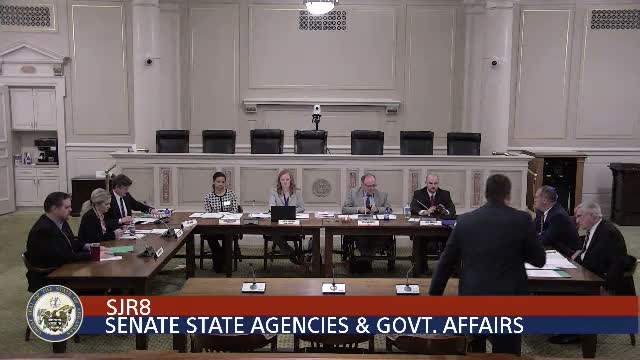
Senator Mark Johnson told the committee SJR 9 is designed to curb abuses of the initiative process, prevent outside special interests from enshrining business advantages or naming localities in the constitution, and give voters clearer, less confusing ballot choices.
Key provisions discussed include moving petition turn-in dates earlier (proposed March 1 of an election year), requiring a majority of counties to meet signature thresholds rather than a fixed list of populous counties, prohibiting writing a particular business or county into the constitution, and allowing the Legislature to enact laws regulating paid canvassers and petition sponsors. Johnson also proposed raising the statewide ratification threshold for constitutional amendments to 60% with a "safety valve" that would let a supermajority of county quorum courts ratify measures reaching a lower statewide margin.
The committee heard a mix of public views. Mac Faulkner urged caution, saying the amendment package could "smother the will of the voters" by raising barriers to citizen-led amendments. Jerry Cox of the Family Council supported many aspects (earlier deadlines, preventing monopolies in the constitution) but cautioned that some drafts may go too far and recommended statutory follow-up to regulate paid canvassers without harming volunteer efforts.
Committee members asked technical and constitutional questions: whether proposals would touch multiple constitutional sections, how to draft county thresholds, and how litigation windows would operate. Senator Johnson said he was open to consolidating similar ideas from other sponsors and that follow-up statutory work to regulate paid canvassers could accompany constitutional language.
The committee did not vote on the measure; sponsors said they would refine language and pursue statutory complements as needed.