Get Full Government Meeting Transcripts, Videos, & Alerts Forever!
Get email alerts on the Constitutional Amendment Process topic
No spam. Unsubscribe anytime.
Senate committee hears SJR 10 to tighten rules for constitutional amendments; supporters and opponents clash
Summary
SJR 10 would raise the legislative threshold to 60%, require petition support in 45 of 75 counties at existing county vote levels, eliminate a 30‑day cure period and move petition deadlines to Jan. 15 and Apr. 15. Sponsors say it protects the constitution; petition organizers say it makes citizen initiatives impractical.
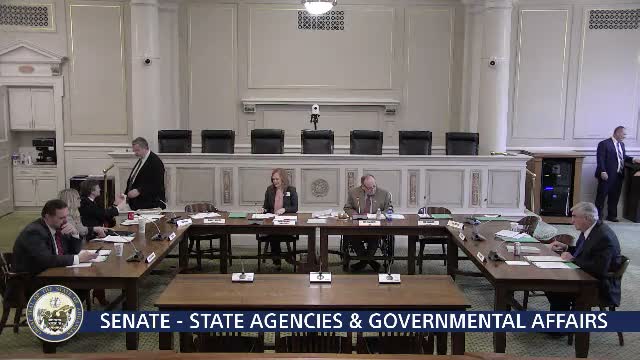
Senator Matt Pitch presented SJR 10 to the Senate State Agencies & Governmental Affairs Committee, saying the amendment package would tighten how constitutional changes reach the ballot. "We call it the rule of 3 fifths," Pitch said, explaining the proposal would raise the legislative threshold from a simple majority to three‑fifths and require three‑fifths of counties (45 of 75) meeting existing county signature thresholds.
Pitch described four components: tighten the legislative vote to 60 percent, require geographic breadth from petition signatures (45 counties meeting the current 6 percent county threshold), eliminate the 30‑day "cure period" for signature irregularities and move petition submittal and challenge deadlines to Jan. 15 and April 15 to better prepare for a November election. "The constitution is sacred and shouldn't be easy to amend," Pitch said, adding the changes would guard against frequent, narrow amendments put into constitutional text.
Opponents at the hearing, including initiative organizers and private citizens, said the package unduly restricts the public’s ability to place amendments on the ballot. Tom Steele, who said he worked with the Arkansas term‑limits effort, testified he "strenuously oppose[d] this legislation," arguing it would shrink the time available to collect signatures and make it "almost impossible" for citizens without large professional canvassing operations to qualify measures. Steele said increasing the threshold of counties from 15 to 45 and moving the submittal date to Jan. 15 would substantially shrink organizers’ practical window for collection and administrative challenges.
Mac Faulkner and Travis Porter offered similar concerns. Faulkner said, "The Arkansas constitution is owned by the people. It's not owned by the General Assembly," and warned that imposing more procedural hurdles would prevent voters from exercising their constitutional right. Porter noted prior litigation and administrative requirements that already, in his view, made valid signatures harder to count.
Supporters countered that frequent changes have eroded the constitution’s role as a stable framework. Pitch told the committee the change would preserve the ability of citizens and the legislature to propose amendments while reducing what he described as special‑interest driven, narrow additions to constitutional text.
The committee did not take any votes at the hearing. Sponsors and opponents flagged several technical details — including how petitioners would select the required 45 counties and whether the new dates unduly compress signature collection windows — that senators said would be refined in future drafting or amendments. The chair said further public comment and any filed amendments would be considered at a later public hearing.