Get Full Government Meeting Transcripts, Videos, & Alerts Forever!
Get email alerts on the Campaign Finance topic
No spam. Unsubscribe anytime.
Senate committee approves SB205 to tidy campaign reporting and local enforcement duties
Summary
Senate Bill 205, described as technical cleanup to campaign finance laws, clarifies monthly reporting windows, requires final reports from unopposed candidates who raised or spent money, and confirms municipalities enforce any shorter local fundraising windows; the committee approved the bill by voice vote.
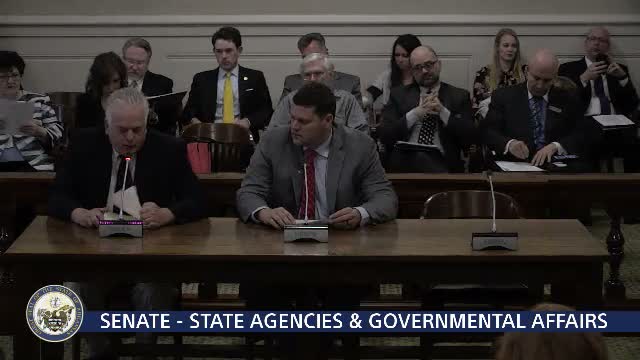
Senate Bill 205, presented to the Senate State Agencies & Governmental Affairs Committee, passed by voice vote after a brief presentation and committee questions.
Senator Hester introduced the measure and Graham Sloan, identified in the transcript as director of the Arts Ethics Commission, told the committee the bill makes five technical corrections to existing law. Key changes include closing a drafting glitch that allowed an impermissible contributor to make an “excessive” contribution, moving monthly reporting back to January of the election year (to match a May primary), and clarifying that unopposed candidates who raise or spend money must still file a final report.
Sloan also explained section 6: while state law sets a two‑year limit on when candidates may begin raising funds before an election, municipalities and counties may adopt shorter local limits; SB205 specifies that those local governments, not the statewide ethics commission, would enforce their own shorter ordinances.
Committee members asked whether the bill would affect political action committees or contribution limits; Sloan said it does not change PAC rules or contribution caps and described the package as cleanup and clarification. Members also discussed how a future bill to change the primary date might require adjusting the reporting‑period language; the sponsor said he would add an amendment if needed.
After no public testimony, a committee member moved to pass SB205; the motion was seconded and approved by voice vote. The transcript records a voice approval but does not include a roll‑call tally.