Get Full Government Meeting Transcripts, Videos, & Alerts Forever!
Get email alerts on the Investor Education Grants topic
No spam. Unsubscribe anytime.
State securities office expands investor‑education grants to Arkansas schools
Summary
The Arkansas Securities Department said its investor‑education grant program — funded by securities enforcement receipts — awarded about $250,000 this year to schools and nonprofits teaching grades 5–12, and officials urged legislators to help publicize grant opportunities.
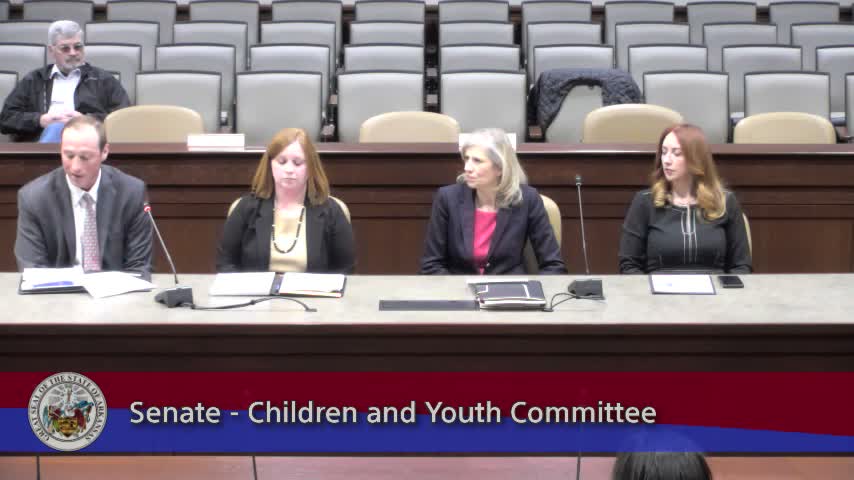
Campbell McLaren of the Arkansas Securities Department described the department’s investor‑education grant program, which is funded from securities enforcement receipts. McLaren said the program advertises to schools and eligible nonprofits that teach financial literacy to students in grades 5–12 and partners with Economics Arkansas and the Walton Foundation to deliver programming such as the Stock Market Game.
McLaren explained that the first $150,000 of securities enforcement funds in a fiscal year is dedicated to the grant program and that the department provided roughly $250,000 in grants this year after seeking an additional appropriation. He said applications are generally advertised in the fall with awards announced in November or December, and the department has increased grant activity to reach schools across the state.
Senators asked how schools apply and when rounds open; McLaren said the department advertises through partner organizations, reaches teachers via virtual programs, and typically has a cutoff in October or November. Marshall and McLaren urged legislators to help spread the word to districts and nonprofits so more schools can access resources.
McLaren and committee members framed investor education as prevention: early financial literacy lowers the risk that future adults will fall victim to fraud, and the department pairs grants with outreach and enforcement to protect consumers.