Get Full Government Meeting Transcripts, Videos, & Alerts Forever!
Get email alerts on the First Responders topic
No spam. Unsubscribe anytime.
Panel approves bill allowing trained EMTs to carry on duty with employer protections
Summary
The committee passed SB 467 to permit emergency medical technicians who meet law‑enforcement‑level training and background checks to carry while on duty and to extend liability protections to employers that authorize carrying; State Police took no formal position but noted qualification standards are stricter than standard concealed‑carry courses.
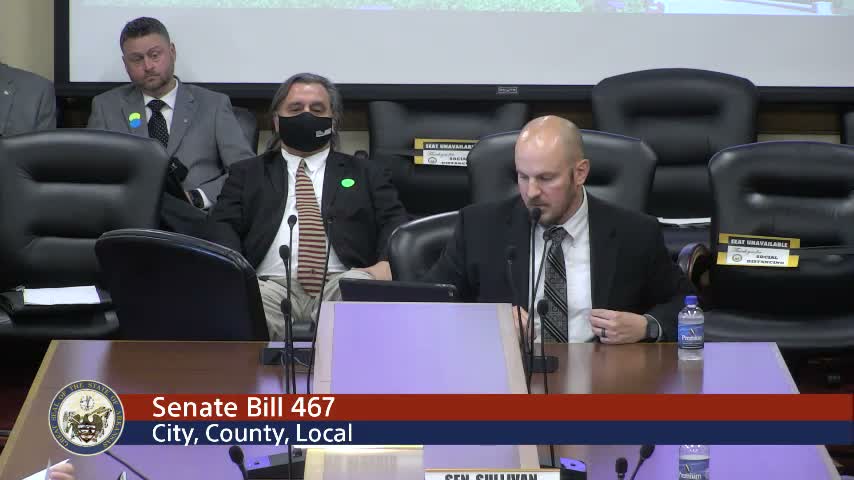
Senate Bill 467, sponsored by Senator Trent Garner, cleared the committee after testimony describing a December incident in Pine Bluff in which an armed EMT engaged an assailant. Garner said the bill would allow EMTs who meet state law enforcement training standards and background checks to carry on duty without a concealed‑carry permit and would provide liability protections for employers who authorize such carrying.
Committee members raised questions about the training and verification process. Senator Henry asked whether the law uses law‑enforcement‑officer standards or concealed‑carry standards; sponsor and State Police witnesses confirmed law‑enforcement‑level qualifications would apply and noted the live‑fire and recurring qualification expectations are more demanding than standard concealed‑carry courses. The bill requires a fingerprint submission and a background check tied to the Arkansas State Police system.
Witnesses representing EMTs said many on the front line favor the change for safety in isolated responses, though some employers worry about liability and public perception. An audience member suggested including combat‑training content because EMTs work in close contact with patients. State Police said they took no formal position and saw the proposal as an employer/employee matter rather than a change to the concealed‑carry licensing scheme.
After discussion, the committee approved SB 467.