Get Full Government Meeting Transcripts, Videos, & Alerts Forever!
Get email alerts on the Veterans Benefits topic
No spam. Unsubscribe anytime.
Committee advances bill to waive concealed‑carry fee for veterans; fiscal impact disputed
Summary
SB 171 would waive the $50 concealed‑carry application fee for veterans and active military while keeping training requirements in place. State Police testified to uncertain fiscal impacts (estimates ranged from under $100,000 to millions depending on uptake); sponsors and veterans urged passage and the committee advanced the bill.
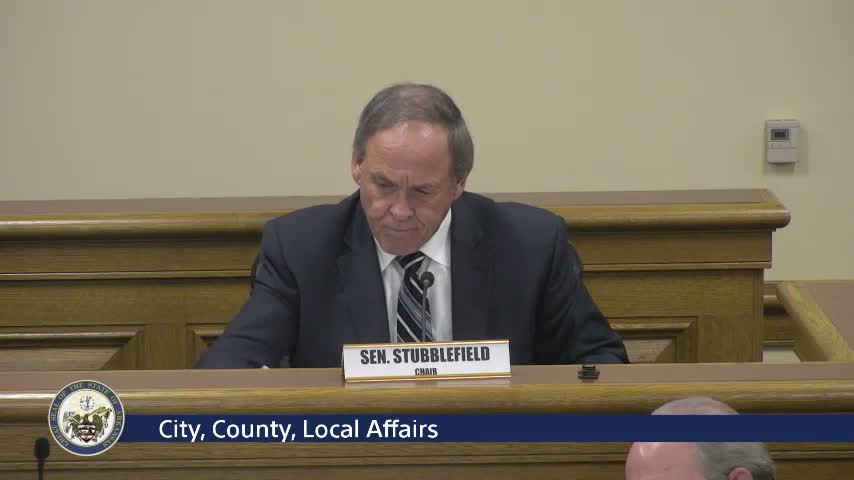
The committee advanced Senate Bill 171, sponsored by Senator Trent Garner, which would exempt veterans and active‑duty service members from paying the $50 concealed‑carry license application fee while leaving training and background‑check requirements intact.
Garner framed the bill as a small, tangible benefit for veterans and part of a longer-term effort to reduce State Police’s role in concealed‑carry licensing. Arkansas State Police witnesses said the bill would create a fiscal impact but were unable to determine a precise figure because the agency does not track applicants by veteran status. Director Bill Moratt offered a low‑end estimate of about $67,963 if a small proportion applied and an upper bound of $11.5 million if every eligible veteran applied; he emphasized the wide range stems from uncertainty about uptake.
Committee members ran several back‑of‑envelope calculations using the State Police’s numbers for new applications and renewals. Senators noted demographic effects — older veterans already pay reduced fees in many cases — and voiced a desire to ensure any fee loss to the State Police is covered. Supporters in the audience, including veterans and firearms instructors, urged passage and emphasized veterans’ training and service. The committee approved the bill and sponsors said they will work with appropriations processes to address any fiscal gap.
The bill now advances with the fiscal‑impact question noted for future consideration by budget writers.