Get Full Government Meeting Transcripts, Videos, & Alerts Forever!
Get email alerts on the Sb 645 Sids topic
No spam. Unsubscribe anytime.
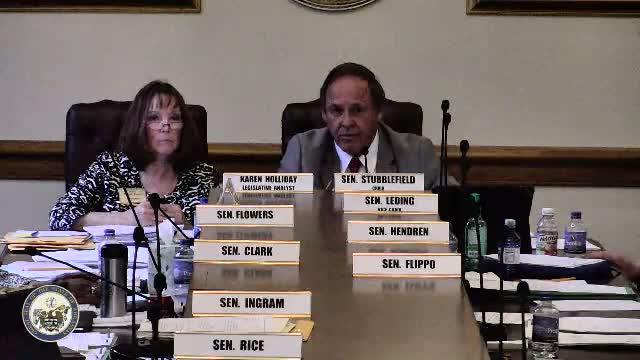
Residents oppose SB 645; sponsor moves suburban improvement district bill to interim study
Summary
Residents from Cherokee Village told the committee SB 645 could let suburban improvement districts avoid ad valorem taxes and concentrate benefits to private developers; sponsor Senator Ballinger said he will move the bill to the deferred calendar and pursue an interim study after agreeing to amend language.
Citizens from Cherokee Village urged the Senate City, County & Local Affairs Committee to slow consideration of SB 645, a measure involving suburban improvement districts (SIDs), saying in its current form it could allow districts to avoid ad valorem taxes and shift costs away from developers onto taxpayers.
David Krueger, speaking for a Cherokee Village watchdog group, read a letter that argued SB 645 "is crafted to allow suburban improvement districts the ability to avoid the payment of ad valorem taxes to the county in which real property is located," and cited case law the group believes supports that interpretation.
Senator Ballinger, the sponsor, said he had been communicating with both sides and planned to move SB 645 to the deferred calendar and request an interim study to work toward amendments that would resolve local concerns. "I plan on having an interim study on that issue," he told the committee, and said he would notify affected communities after drafting amendments.
Committee members agreed to defer further action until the sponsor circulates amendments and gives notice, and several members signaled willingness to set a special order so residents who traveled long distances would not need to return for a later hearing.