Get Full Government Meeting Transcripts, Videos, & Alerts Forever!
Get email alerts on the Sb 621 Red Flag Erpo topic
No spam. Unsubscribe anytime.
Senate committee rejects proposed red-flag law after hours of testimony; vote fails 4–3
Summary
The Senate City, County & Local Affairs Committee voted down SB 621, an extreme risk protection order bill that would let two law-enforcement officers seek temporary restrictions on a person’s firearm access; proponents cited suicide-prevention data, opponents warned of misuse and defenseless homeowners.
The Senate City, County & Local Affairs Committee on a narrow 4–3 roll call rejected Senate Bill 621, a proposed extreme risk protection order (ERPO) or "red flag" law that would allow two sworn law‑enforcement officers to petition a judge to temporarily restrict an individual’s access to firearms.
The bill’s sponsor told the committee the measure would allow officers to swear under oath that a person presents a "clear and imminent threat," bring that evidence before a judge and, if the judge issues an order, temporarily restrict access to firearms for up to one year with a required hearing within 72 hours. The sponsor described third‑party transfer as an alternative to state seizure and said the measure includes penalties for anyone who knowingly files a false report.
Supporters told the committee the bill is aimed primarily at suicide prevention. Dr. Joanna Thomas, president of the state’s largest social‑work membership organization, said research shows ERPOs can save lives and cited state suicide data: "In Arkansas, 62 percent of all suicides are completed with a firearm," she said. Tyler West of the American Foundation for Suicide Prevention and Steven Blackwood of the Arkansas Suicide Prevention Council urged the committee to approve the bill and recommended data collection and a statutory ban on purchasing or possessing firearms while an ERPO is active.
Opponents warned the bill could be misused to disarm lawful owners and questioned whether local prosecutors would pursue officers who filed false affidavits. "Leaving someone disarmed and defenseless, I've got a problem with," said a member of the public who testified in opposition and raised doubts about prosecutors bringing charges against officers for misconduct.
Committee discussion probed how SB 621 would interact with Arkansas’s involuntary‑commitment procedures, what qualifies as "firsthand" investigatory information for the required affidavits, how ownership claims during voluntary forfeiture are adjudicated, and whether the 72‑hour hearing window is adequate. Sponsors said the bill does not itself require involuntary commitment and that judges and prosecutors retain existing authorities to pursue mental‑health treatment or criminal charges.
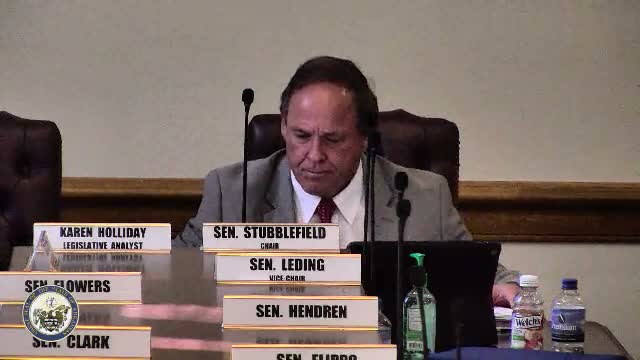
After public testimony and debate the committee took a roll call. The recorded vote was: Flowers (Aye), Clark (No), Ingram (Aye), Flippo (No), Rice (No), Lehi (Aye) and the chair voted Aye, yielding a 4–3 vote to reject the motion to pass SB 621.
The committee also approved a procedural motion to expunge a prior vote. The bill will not advance from this committee following the defeat. The committee chair said members would reconvene in about 45 days for further business.