Get Full Government Meeting Transcripts, Videos, & Alerts Forever!
Get email alerts on the Pharmacy Pbm Regulation topic
No spam. Unsubscribe anytime.
Pharmacists and insurance commissioner press state action on PBMs and claims handling
Summary
Pharmacists described rapid reimbursement cuts, selective retroactive contract changes and vertical integration that threaten independent pharmacies; the insurance commissioner said his office can audit, take complaints and is ramping PBM enforcement including fines tied to NADAC violations.
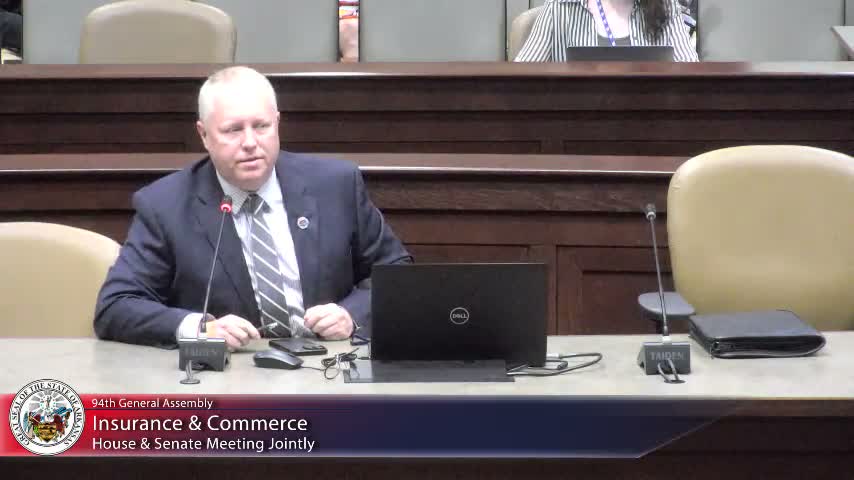
John Vincent, CEO of the Arkansas Pharmacists Association, told the Senate Insurance & Commerce committee that widespread PBM practices — including vertical integration, selective contract cuts and retroactive addenda — are putting independent pharmacies at risk across the state.
Vincent said national analyses cited during testimony show PBM‑owned pharmacies can receive substantially higher margins than independents and that some PBMs applied payment cuts to smaller Arkansas pharmacies while continuing higher payments to larger or vertically‑integrated outlets. He described examples of contract addenda that attempted to make reimbursement "exactly the cost of the drug and not a penny more," applied retroactively nine months, and said those changes would push many pharmacies to zero or near‑zero gross profit.
"Where there's mystery, there's margin," Vincent said, arguing for more transparency and state rules to define "fair and reasonable" reimbursement and to block anti‑competitive self‑dealing by PBMs that own pharmacies.
State Insurance Commissioner Alan McClain and General Counsel Booth Moran told the committee the insurance department cannot set fee schedules but does have enforcement tools: it can accept complaints, audit PBMs, require upward payment adjustments for NADAC violations and — through administrative orders — impose fines and revoke licenses. The commissioner said the department receives a high volume of PBM complaints and plans to increase enforcement activity, including a bulletin that warned PBMs of fines for payments below NADAC after a given date.
Lawmakers discussed whether state rules, market conduct exams, and anti‑trust actions could address the issues and urged coordination among the insurance department, attorney general and legislature. Pharmacists asked for more access to claim data so regulators can detect retaliatory or discriminatory pricing. Committee members asked for fiscal analyses if rule changes are proposed because any reimbursement increases could affect state plans and premiums.
The committee requested follow‑up from the insurance department and pharmacy stakeholders; no immediate rulemaking or statutory change was adopted at the hearing.