Get Full Government Meeting Transcripts, Videos, & Alerts Forever!
Get email alerts on the Biomarker Testing topic
No spam. Unsubscribe anytime.
Committee backs biomarker‑coverage bill after insurers urge narrower language
Summary
The committee passed HB1121 to expand coverage for biomarker testing to guide cancer treatment; sponsors and clinical advocates called it potentially life‑saving, while Arkansas Blue Cross warned language could force payment for investigational screening tests and estimated major cost impacts.
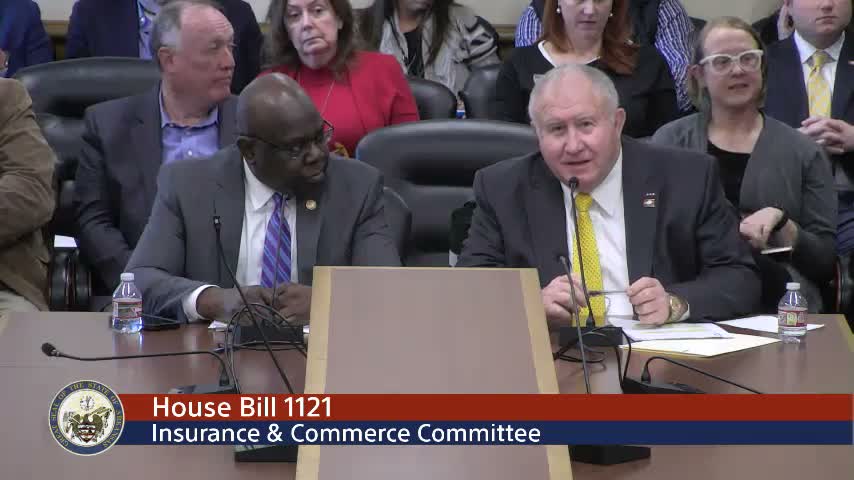
The Insurance & Commerce Committee voted to advance HB1121, a bill intended to require coverage for biomarker testing in cancer management, after sponsors said the legislation will save lives and provide clinicians tools for precision treatment.
Senator Dave Wallace and Representative Fred Allen, the bill’s sponsors, said the measure focuses on biomarkers used to guide treatment decisions rather than population screening or initial diagnosis. Wallace said the bill passed the House 98‑0 and that national health organizations and UAMS support the policy.
Max Greenwood of Arkansas Blue Cross said his organization is not opposing the idea of biomarkers for treatment but raised concerns about broad bill language that could require insurers to pay for investigational or experimental screening tests, including some multi‑cancer early detection tests (the witness referenced a ‘‘GRAIL’’ test), and suggested removing wording that references ‘‘early detection and diagnosis’’ to narrow coverage to treatment and management. Greenwood estimated the bill could increase insurer costs and suggested specific drafting fixes.
The Department of Human Services told the committee that Medicaid had been removed during earlier negotiations so the agency could review costs comprehensively; DHS later estimated a roughly $6 million state‑share impact for Medicaid if covered. Committee members asked sponsors whether they would accept targeted language edits to avoid requiring payment for unproven screening uses; sponsors indicated willingness to work with stakeholders.
After discussion the committee voted to advance HB1121. Sponsors and witnesses said they would continue negotiations to tighten the bill’s language to focus on appropriate treatment‑linked uses and avoid unintended coverage mandates for investigational screening tests.