Get Full Government Meeting Transcripts, Videos, & Alerts Forever!
Get email alerts on the Data Governance topic
No spam. Unsubscribe anytime.
State data office outlines catalog, governance and privacy guardrails as lawmakers press on breach plans
Summary
The Data & Transparency Panel described a public data catalog, a statewide longitudinal data initiative and recommendations from a 2019 data warehouse feasibility study; legislators pressed for clarity on safeguards for proprietary regulatory data and breach notification plans.
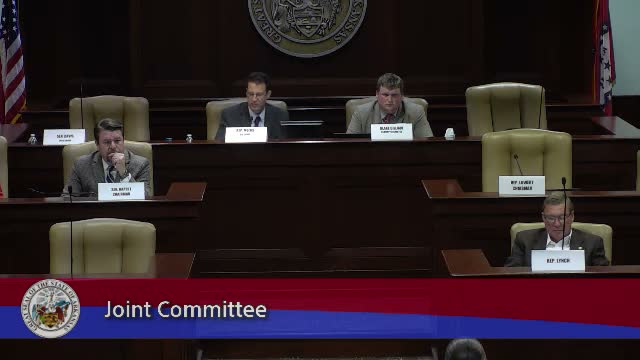
Deputy Chief Data Officer Aditha Karkara and deputy CDO Robert Magoo updated lawmakers on the Data & Transparency Panel—s work under Act 912 (2017) and related legislation.
Karkara said the office has published an online state data catalog — a searchable inventory that lists agency data assets but does not expose data contents — and has established agency points of contact to improve data governance and requests. The panel also created a subpanel to gather requirements for a statewide longitudinal data system intended to link education and workforce data, as required by a more recent Act (Act 936).
Magoo summarized a July 2019 feasibility report on options for a statewide data warehouse (Arkansas data hub), which examined approaches used by 15 other states and recommended strategies suitable for Arkansas.
Lawmakers questioned how the program protects proprietary regulatory information (banking, securities, insurance) and personally identifiable data. Karkara said Act 912 establishes a chief privacy officer position and that the panel works with that officer and the cybersecurity office to develop data‑sharing agreements and security policies tailored to statutory protections for regulated data.
Senator Raper pressed on breach response and whether the state would provide consumer credit monitoring if state‑held data were compromised; panelists said they would follow up with the cybersecurity office and report back. The committee also discussed data center modernization work done by Division of Information Systems and whether legacy facilities pose transmission and security constraints.
The Data & Transparency Panel offered to provide follow‑up materials on privacy safeguards, breach notification policy and any planned cyber insurance or monitoring provisions.