Get Full Government Meeting Transcripts, Videos, & Alerts Forever!
Get email alerts on the Tenant Rights topic
No spam. Unsubscribe anytime.
Committee approves bill allowing tenants with court‑documented domestic violence to end leases early
Summary
HB 15‑38 lets tenants who have a court order documenting domestic violence within the prior 60 days negotiate an agreed move‑out date with their landlord (not to exceed 60 days beyond notice) and waive early‑termination fees; the bill does not waive landlord liability for property damages and passed after a landlord raised concerns about shifting costs.
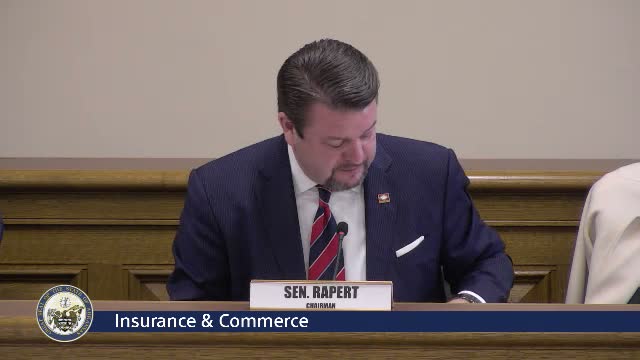
The Senate Insurance & Commerce Committee passed House Bill 15‑38, which allows tenants who are victims of domestic violence to terminate a lease early without paying an early‑termination fee when there is a court order documenting domestic abuse within the preceding 60 days.
Representative Clowney, the sponsor, said the bill is narrowly focused: it waives only the early‑termination penalty and does not relieve a tenant of liability for property damage. Clowney told senators the bill mirrors protections already in statute and relies on an existing definition in the code: documented evidence must be "contained in an order of a court of competent jurisdiction." She said the bill had support from the Arkansas Coalition Against Domestic Violence, the Arkansas Realtors Association and the Arkansas Landlords Association.
A landlord, Paul Calvert, testified against the bill. He said while he personally might waive a fee in such circumstances, he objected to mandating that landlords absorb the cost and warned that landlords already operating on thin margins could suffer financially if required to forgive months of rent. Calvert suggested a taxpayer‑funded fund for domestic violence victims rather than placing the cost on individual landlords.
Committee members asked for clarification about definitions and how documentation would be proven; the sponsor pointed to the existing code section that defines "documented instance of domestic abuse" as court evidence. After discussion the committee passed the bill on a voice vote (motion by Senator Chesterfield; second by Senator Irvin).
Why it matters: Sponsors said the bill reduces a legal barrier that can trap victims in unsafe homes; opponents warned it shifts costs to landlords and could strain small property owners.
Next steps: The committee approved the bill; transcript does not record a roll‑call tally or next scheduling information.