Get Full Government Meeting Transcripts, Videos, & Alerts Forever!
Get email alerts on the Medicaid Larc topic
No spam. Unsubscribe anytime.
Committee backs Medicaid 'wrap‑around' payment for long‑acting reversible contraceptives
Summary
House Bill 13‑85 would allow a wrap‑around payment for LARC outside Medicaid’s global delivery payment; sponsor cited cost differences and examples from other states and the committee passed the bill by voice vote.
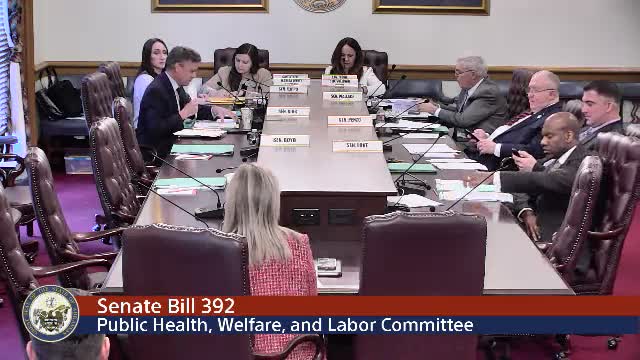
The Public Health, Welfare and Labor Committee voted to advance House Bill 13‑85 after a sponsor presentation that framed the change as both a clinical and fiscal improvement. The bill would allow Medicaid to make a separate "wrap‑around" payment for long‑acting reversible contraceptives (LARC) rather than folding the cost into the global delivery payment.
Sponsor remarks (presented to committee) said a typical Medicaid delivery costs about $1,100 and the state pays roughly 28 percent of that; by contrast, the payment for a LARC device and associated services was described as about $1,000 with the state paying roughly 10 percent. The sponsor said those differences mean the carve‑out can produce long‑term savings through reduced unplanned pregnancies and longer inter‑pregnancy intervals. The sponsor cited other states’ experience, including an example that Colorado’s policy produced tens of millions in cost avoidance over time.
Committee members asked no questions; the department of health was present and the sponsor invited department staff to address fiscal questions. The bill passed on a voice vote.
The committee record shows the sponsor said repeat Medicaid births within 18 months are around 35 percent in Arkansas and that states implementing similar carve‑outs reported lower repeat‑birth rates and fiscal savings. The transcript does not contain a roll‑call vote; passage was recorded as a voice vote.
Next steps: HB 13‑85 advances from committee to the Senate calendar for further consideration.