Get Full Government Meeting Transcripts, Videos, & Alerts Forever!
Get email alerts on the Health Care Access topic
No spam. Unsubscribe anytime.
Senate committee adopts amendment and advances bill to let hospitals seek benefits for incapacitated patients
Summary
The Senate Public Health Committee adopted an amendment to SB 74 and passed the bill, which aims to let providers or appointed surrogates apply for Medicaid or other benefits to secure long-term care and aid hospital discharge planning for incapacitated adults without family or coverage.
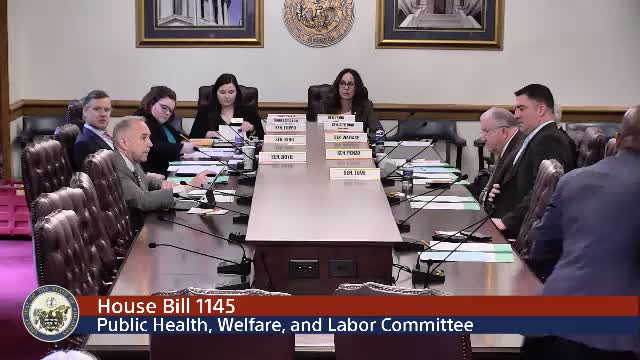
The Senate Public Health, Welfare and Labor Committee on Tuesday adopted an amendment and approved Senate Bill 74, a measure intended to make it easier for hospitals to obtain Medicaid and other benefits for incapacitated adults who lack family or financial resources to support discharge.
Senator Boyd led the amendment process, saying the change cleans up language to improve clarity and align the bill with federal law. After the amendment passed by voice vote, Jenna Goldman of Mercy Health Systems testified that hospitals have seen increases in adult patients effectively abandoned in hospital settings without family or financial coverage to support long-term care; she said the bill would allow providers or a legally defined surrogate to apply for Medicaid or other benefits to secure appropriate placement and care.
Senator Sullivan asked how a "surrogate" is defined and how legal authority is obtained. Goldman said the surrogate role is defined under the Arkansas Health Care Decisions Act and that a surrogate may be appointed by a provider under that statute. Committee members, including the chair, described the bill as especially important for clinicians working in palliative care and for patients whose hospitalizations were prolonged during the COVID-19 period.
Senator Boyd closed and moved SB 74 as amended; the motion received a second and the committee approved the bill by voice vote.
The bill, as amended, will proceed from committee. The measure’s text, implementation details about surrogate appointment procedures, and the interaction with existing discharge-planning workflows were discussed but the committee did not record additional formal conditions or a detailed implementation timetable at this hearing.