Get Full Government Meeting Transcripts, Videos, & Alerts Forever!
Get email alerts on the Tobacco Settlement topic
No spam. Unsubscribe anytime.
Quarterly Tobacco Settlement report: outreach numbers strong, $78 million leveraged reported
Summary
The Tobacco Settlement Commission’s quarterly report showed nearly 15,000 education encounters in the quarter, 25,000 people reached through Medicaid expansion programs, nearly 1,000 enrolled in tobacco cessation services, and $78 million in leveraged funds for the fiscal year. Commissioners said 85% of program indicators were on track.
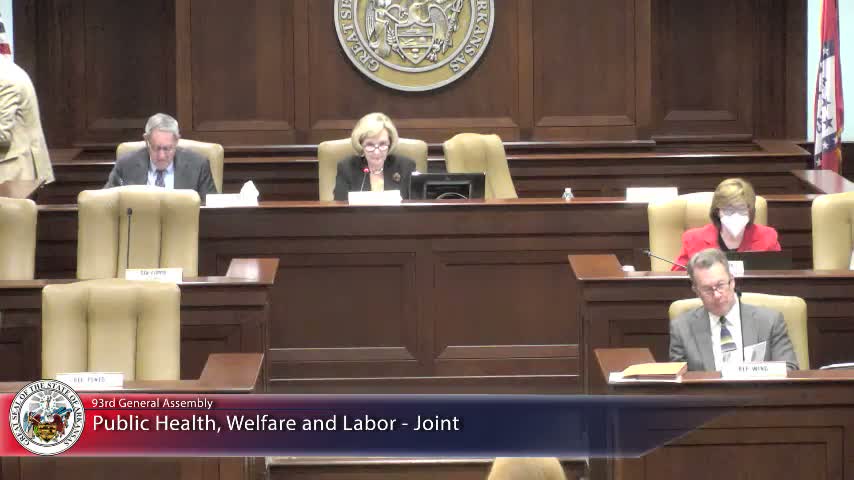
Emily Lane, project director at the University of Central Arkansas working with the Tobacco Settlement Commission, told the Senate committee that the July 2021 quarterly report showed strong program activity and leveraged funding despite pandemic-related disruptions.
Lane said the quarter produced "almost 15,000 education encounters," served 25,000 people through Medicaid expansion programs, and enrolled nearly 1,000 people in tobacco cessation through the Be Well Arkansas call center. For the fiscal year, she said ABI and COPH together reported "$78,000,000 in leveraged funds," representing about a 6:1 leverage ratio.
Lane said 85% of program indicators were on track for the quarter and noted that some activities had returned to in-person outreach as COVID numbers declined. She told senators a biennial report with more comprehensive outcome measures is due in a few months and could show longer-term health impacts tied to settlement investments.
Senators asked for more explicit measures linking dollars invested to measurable outcome changes; Lane said the upcoming biennial report will include more comprehensive evaluation metrics and said staff could bring program representatives to a committee meeting to describe local implementation and results.
The committee accepted the report and had no objections to the presentation.