Get Full Government Meeting Transcripts, Videos, & Alerts Forever!
Get email alerts on the Anesthesia Practice topic
No spam. Unsubscribe anytime.
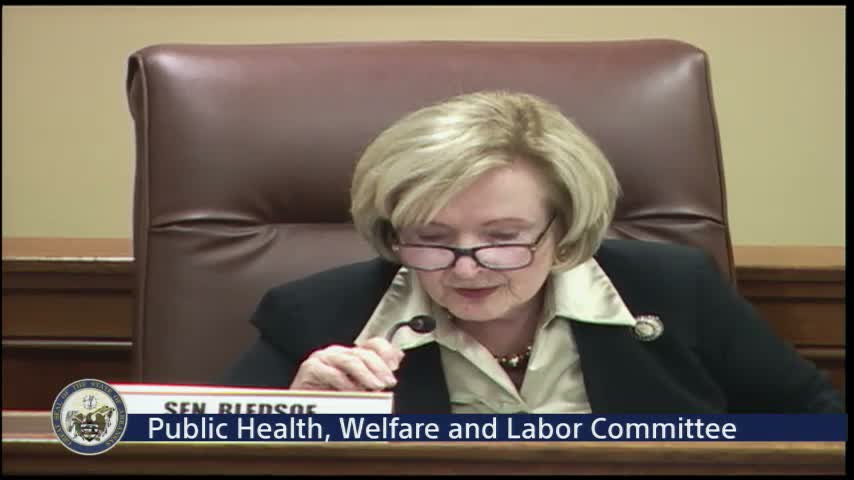
Heated debate as committee advances bill to replace 'supervision' with 'consultation' for CRNAs
Summary
House Bill 11‑98, which would change statutory language from 'supervision' to 'in consultation with' for certified registered nurse anesthetists and leave facilities to select anesthesia models, passed the committee after extensive testimony for and against and a roll call.
House Bill 11‑98, presented by Senator (sponsor) and CRNA representatives, seeks to change the Nurse Practice Act language so that CRNAs practice "in consultation with," rather than under "supervision" of a physician. Proponents — including practicing CRNAs and rural hospital administrators — said the change more accurately describes contemporary practice, reduces perceived liability for supervising surgeons and would allow facilities flexibility to choose models that expand access to anesthesia services in rural hospitals.
Kasha Pabian, a certified registered nurse anesthetist testifying for the bill, said CRNAs administer the majority of anesthetics in many rural and critical access hospitals and argued removal of the word "supervision" would reduce confusion around perceived liability. "House Bill 11‑98 will more accurately represent how CRNA is practiced today," she said.
Opponents included multiple anesthesiologists, surgeons and medical society leaders who warned the statutory change would lower the supervision standard, could trigger Medicare opt‑out possibilities in some states, and might undermine training and recruitment of anesthesiologists. Dr. James Hunt, an anesthesiologist, told the committee the bill "dismantles and upends the doctor‑patient relationship" and argued the change could increase costs and reduce patient protections in some settings.
The committee heard testimony from hospital CEOs who said liability language and the current supervision term had impeded contracts and recruitment in rural facilities; those witnesses said the bill would give facilities the option to adopt a consultation model if they wished. Committee members pressed witnesses about empirical outcome data, Medicare consequences and whether clinical practice would change in the event of a statutory opt‑out.
After extended debate the committee took a roll call and the chair declared the bill passed as recorded in the transcript. The excerpt includes recorded ayes and nos for individual senators but does not provide a consolidated numeric tally in a single summary line.