Get Full Government Meeting Transcripts, Videos, & Alerts Forever!
Get email alerts on the Employee Benefits topic
No spam. Unsubscribe anytime.
State board’s decision to move retiree pharmacy coverage to Medicare Part D prompts protests from retirees
Summary
The Employee Benefits Division board approved shifting Medicare‑eligible retirees onto Medicare Part D to address a projected plan deficit; retiree representatives said the change was poorly communicated, will raise out‑of‑pocket costs for some beneficiaries and eliminate a federal rebate, and urged alternatives including premium adjustments. The change is scheduled to take effect Jan. 1, 2021.
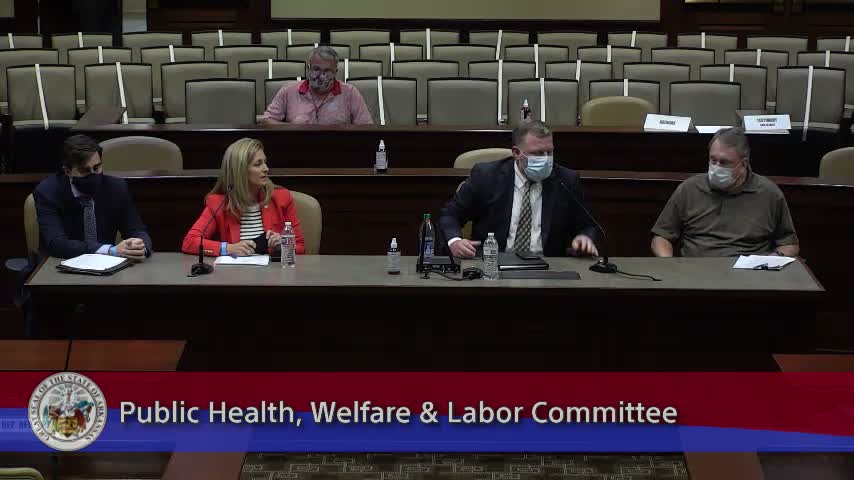
The Employee Benefits Division (EBD) defended a board decision to move Medicare‑eligible retirees (65+) from the state’s pharmacy plan to Medicare Part D as part of a package of changes the board says are necessary to address a projected roughly $49 million deficit for plan year 2021. The action, approved by the board in August, affects about 13,845 Medicare‑eligible retirees, officials said.
EBD Director Chris Hallett and DFA officials said they reviewed reserves, actuarial projections (Milliman), program initiatives and potential employer‑side changes and concluded that transferring pharmacy coverage to Medicare Part D for Medicare‑eligible members was a fiscally available option. Officials said the decision was part of a broader approach that included employer contribution adjustments and a 5% rate increase for other employee groups.
Retiree representatives and former board members, including Shelby McCook and Herb Scott, told the committee they learned of the change from media coverage, not direct outreach, and argued the move would impose significant new costs on some retirees — particularly those with high drug needs who face a Part D 'donut hole' — while the state loses a federal rebate associated with the existing pharmacy benefit. They demanded detailed claims data, the actuarial report used by Milliman, minutes from board meetings and an explanation of alternatives considered.
Officials acknowledged the timing and outreach concerns, said the change would not take effect until Jan. 1, 2021, and said the state would implement communications (call center, letters, emails) to reach affected retirees and present actuarial analysis to legislators. DFA staff said the alternative of keeping the pharmacy benefit and increasing premiums broadly would have required a substantially larger across‑the‑board premium increase (they cited a projection in the ~40% range), which the administration judged unacceptable.
Next steps: EBD agreed to provide the committee with actuarial analyses, board minutes and the consultant report (Milliman) requested by legislators; lawmakers signaled they would review the budgetary impacts during fall budget hearings and pursue additional information for retirees before implementation.