Get Full Government Meeting Transcripts, Videos, & Alerts Forever!
Get email alerts on the Vaccine Distribution topic
No spam. Unsubscribe anytime.
Arkansas health leaders outline vaccine planning; no doses yet, distribution logistics remain uncertain
Summary
Secretary Jose Romero and the state epidemiologist told lawmakers Arkansas has no COVID-19 vaccine on hand, is preparing micro-plans for limited initial allotments and raised storage and distribution questions including ultra‑cold requirements and use of McKesson as a potential distributor. The state received $1.5 million in supplemental funding for planning.
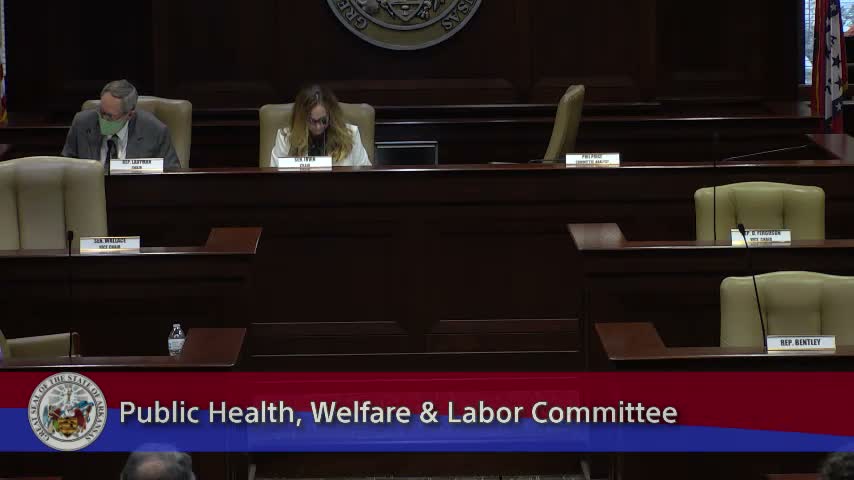
Secretary of Health Jose Romero and the Arkansas Department of Health’s medical immunization director updated the Senate Public Health, Welfare and Labor Committee on the state’s vaccine planning and logistics.
Romero said the state has been directed by HHS and CDC to prepare for delivery later in the year but that no COVID‑19 vaccine doses were yet available to Arkansas. Dr. Dillehay said the health department has received $1.5 million in supplemental funding to develop deployment plans and is awaiting formal CDC guidance for a state plan; the department had been told earlier the plan would be due Oct. 1 but the deadline now will be 30 days after federal guidance is released.
Officials noted that three vaccine candidates were in late-stage testing nationally: Moderna and Pfizer/BioNTech were in advanced trials and AstraZeneca’s trial had paused enrollment after a reported adverse event. The state is forming a small advisory committee to align with national prioritization frameworks (ACIP, National Academies) and expects initial allotments will be limited and prioritized for groups such as health‑care workers.
Lawmakers pressed details about storage and distribution. Romero and Dillehay said a vaccine requiring ultra‑low temperature storage (around −70°C) would likely be routed to institutions with capacity (large hospitals, university labs) for storage and redistribution rather than directly to small clinics; McKesson has been designated as a federal/private distributor in the national allocation plan but details on state distribution channels remained unresolved.
Members also raised school‑quarantine guidance, nursing‑home testing logistics, rural access and how pharmacies might participate; the department said logistics, storage and equitable rural access were on their planning agenda.
Next steps: the department will continue micro‑planning, finalize an advisory prioritization group, await formal CDC guidance for its deployment plan, and coordinate distribution arrangements with federal and private logistics partners.