Get Full Government Meeting Transcripts, Videos, & Alerts Forever!
Get email alerts on the Telemedicine topic
No spam. Unsubscribe anytime.
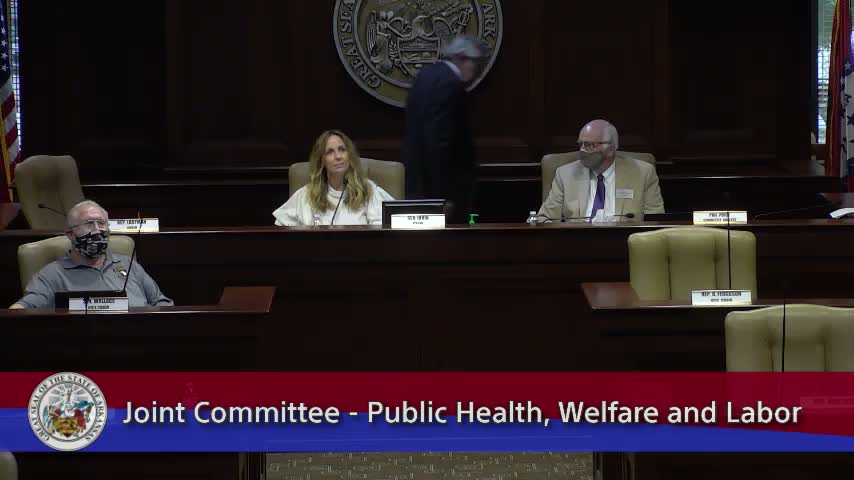
Telemedicine surged during COVID; experts tell committee broadband and payment policies must continue
Summary
A telehealth expert told the Senate committee that federal moves to reimburse telemedicine during the pandemic enabled rapid adoption, but sustaining access requires continued payment policies and broadband expansion for rural Arkansas.
Dr. Lowery, board president of the Center for Telemedicine and eHealth Law, told the Senate committee a White House/HHS/CMS discussion concluded telemedicine use expanded dramatically during COVID when payers and federal programs began reimbursing virtual care. "Overnight, they released...payment and sort of mandated that all insurance companies and Medicare, and Medicaid, all pay for digital health," he said.
Lowery cautioned that rural areas lack sufficient broadband and that many patients must travel to hotspots (libraries or other locations) to use video visits. He argued continued payment and targeted broadband investments are needed to sustain the gains: without reimbursement the use of telehealth will erode back to pre-pandemic patterns.
Committee members questioned whether out‑of‑state telemedicine providers should be precluded; Lowery said competition is healthy but local health systems must be able to compete on quality and continuity of care. He recommended policies that preserve continuity with a patient’s primary providers while allowing telehealth to expand access.
Legislators asked whether federal emergency telehealth payment policies would continue; Lowery said White House and federal agencies expressed interest in continuing support but cautioned that state Medicaid and commercial payer rules will determine long‑term access. The Chair asked for a future meeting to examine broadband specifics and state policy levers.
The presentation concluded with an offer from Lowery to brief the committee again on broadband and reimbursement considerations and to share contacts for technical assistance.