Get Full Government Meeting Transcripts, Videos, & Alerts Forever!
Get email alerts on the Medical Transportation topic
No spam. Unsubscribe anytime.
Medicaid transportation broker says service is improving after fines; lawmakers press DHS on missed trips and penalties
Summary
DHS officials told the committee Southeastrans is under corrective action after earlier missed Medicaid transports that left patients without dialysis and chemo rides; the vendor reported service at 99.5% and said it is adding vehicles and drivers, while DHS described assessed penalties and ongoing negotiations.
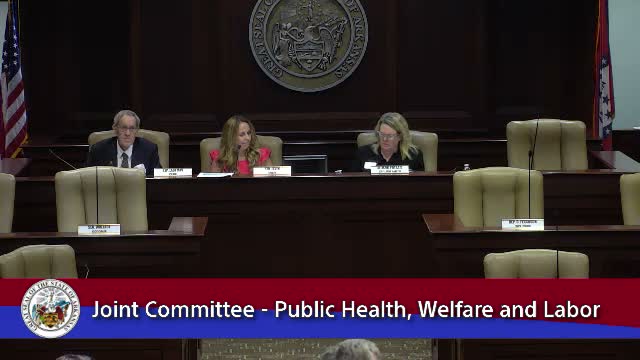
The Senate committee heard an update from the Department of Human Services and Southeastrans on problems and corrective actions in the state Medicaid non-emergency medical-transportation program.
Janet Mann, Division Director for DHS, said DHS issued an early corrective action plan in May focused on network adequacy and later assessed a financial penalty tied to missed rides. DHS told the committee it issued a damages letter accounting for approximately 6,345 missed rides with a $500-per-ride figure cited in the hearing (about $391,000 total) and said it will credit the federal share in the agency budget process when fines are retained or negotiated.
Rob Zachridge, chief operating officer for Southeastrans, said the company took over a difficult transition and has invested heavily to stabilize service. He reported network reliability near 99.5% at the time of the hearing and described bringing dozens of vehicles into service, hiring drivers and training staff; he said the company expects to reach targeted vehicle capacity by the end of the month and will continue to recruit local providers.
Lawmakers asked about subcontracting models and whether TNCs (Uber/Lyft) could be used. Southeastrans and DHS explained limits on TNCs in Arkansas because of background-check, vehicle-inspection and camera requirements; Southeastrans described a pilot model (called 'Varia' by the provider) to recruit local owner-operators who would meet the program's compliance requirements and help serve rural areas.
Members pressed DHS on how fines are tracked and whether penalties are later negotiated or forgiven; DHS confirmed fines are often negotiated and that the agency can and does negotiate penalty amounts depending on corrective actions and documentation. Committee members asked DHS to report back later in the year on how much of assessed penalties remained in place after negotiations.
No contract change vote was taken; DHS and Southeastrans said they would continue to monitor performance and work with legislators to address constituent complaints about missed transports. The committee thanked the witnesses and urged continued reporting to the committee on unresolved constituent cases.