Get Full Government Meeting Transcripts, Videos, & Alerts Forever!
Get email alerts on the Nci Designation topic
No spam. Unsubscribe anytime.
UAMS outlines plan to pursue National Cancer Institute designation, cites $7 million in state tax revenue support
Summary
UAMS told the Senate Public Health Committee it has begun staffing and funding steps to seek National Cancer Institute (NCI) designation for the Winthrop Rockefeller Cancer Institute, citing an estimated $7 million in state tax revenues this year and targets for NIH funding and clinical‑trial capacity.
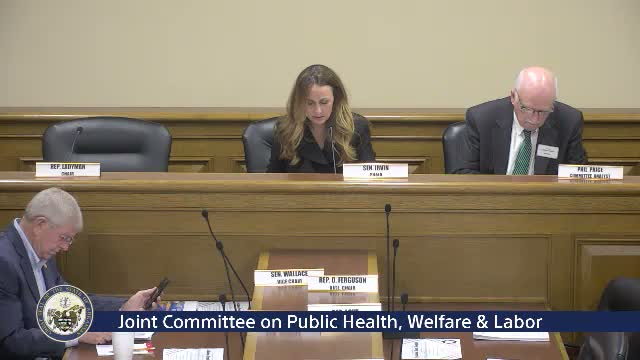
UAMS officials told the Senate Public Health, Welfare and Labor Committee they have launched an accelerated effort to secure National Cancer Institute designation for the Winthrop Rockefeller Cancer Institute, saying the status would expand clinical trials and research available to Arkansas patients.
Chancellor Cam Patterson introduced Dr. Michael Bier as the institute’s new director. Bier outlined why designation matters: it signals to patients statewide that a center offers research‑driven care and clinical trials and makes it easier to recruit top investigators and clinicians. "NCI designation will send the message to patients throughout the state of Arkansas, that UAMS will provide that kind of care," Bier said.
Bier described specific capacity goals the NCI expects and the institute’s plan to meet them: growing NIH grant support to an estimated $10 million–$20 million portfolio, increasing clinical‑trial enrollment from roughly 100 to about 300 patients per year, and substantially enlarging medical‑oncology staff (he said UAMS expects five new physicians in July and hopes to expand to 15–20). Bier said three newly hired individuals are expected to bring between $2 million and $3 million in NCI‑eligible funding. Chancellor Patterson told the committee he and others have been in conversation about tax revenues and that "he's estimating that, at least $7,000,000 generated from tax revenues in this current year" to kick‑start the effort.
Committee members pressed Bier on timeline and recruiting. Bier said UAMS aims to submit a high‑quality application in about 2–2.5 years but acknowledged federal timing and competition could push that to three or four years. He described an active nationwide recruitment campaign and said about 60 CVs have arrived in two weeks, with an expectation to grow that pool.
Members also asked about finance and administrative costs. Dorothy Graves, associate director for administration at the Winthrop Rockefeller Cancer Institute, said a noted $77,000 figure reflects expense draws and some salaries tied to expenses posted in the fund’s detail; separate DFNA processing charges (about 3.1%) are standard deductions for state receipt processing and the committee requested follow‑up from the agency CFO on investment/management fee specifics.
The committee praised the level of reporting and transparency required by statute and invited UAMS to submit additional details in follow up.
The next procedural step is continued oversight and follow up on finance questions; UAMS officials said they will supply requested clarifications to the committee office.