Get Full Government Meeting Transcripts, Videos, & Alerts Forever!
Get email alerts on the Public Health topic
No spam. Unsubscribe anytime.
State health officials credit Arkansas trauma system with falling preventable mortality, telemedicine and cost savings
Summary
Department of Health officials reported a marked decline in preventable trauma mortality since the system’s funded launch, highlighted statewide telemedicine for burn and hand care, and cited a UAMS analysis estimating lives saved and cost savings attributed to the trauma system.
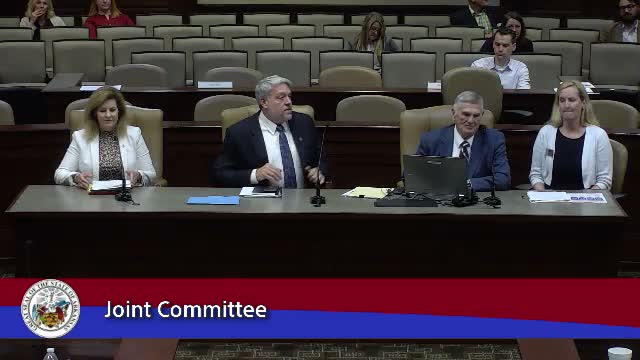
The Department of Health presented a multi-part update on Arkansas’s trauma system, its performance and innovations. Dr. James Bledsoe and Greg Brown said preventable mortality among trauma patients dropped substantially after the 2009 funded implementation and subsequent system developments: preventable mortality figures fell from earlier highs (the department cited historical estimates) to roughly 15–17 percent in recent analyses. Presenters attributed improvements to better prehospital care, the Stop the Bleed program, improved airway management training, and coordination across designated hospitals and the statewide communications center.
Arkansas operates a network of 61 designated hospitals (including 6 level-1 centers, plus level-2, -3 and -4 facilities), and the system includes a statewide burn-and-hand telemedicine program that reduced out-of-state transfers for specialized care. Department presentations cited UAMS analyses that estimate 278 lives saved and hundreds of millions of dollars in cost savings in certain comparative periods; officials described these estimates as conservative and based on modeled lifetime economic contributions.
Committee members asked about geographic coverage (including out-of-state level-1 hospitals in Memphis and Springfield used for some regions), air-ambulance triage protocols, balance-billing concerns for air transport and workforce constraints limiting more in-state level-1 and level-2 designations. Presenters said education, telemedicine, centralized communications and efforts to elevate hospital designations are the primary levers to continue improving outcomes. The committee heard requests to examine trauma-designation criteria, workforce and residency training capacity as a long-term strategy to bolster in-state capabilities.