Get Full Government Meeting Transcripts, Videos, & Alerts Forever!
Get email alerts on the Public Health Hepatitis A topic
No spam. Unsubscribe anytime.
Arkansas health officials say hepatitis A outbreak tied mainly to drug use; 30,000 vaccine doses administered
Summary
Arkansas Department of Health officials told the Public Health, Welfare and Labor Committee that the state's hepatitis A outbreak began in February 2018, has produced 369 cases and three deaths so far, and that the department has provided more than 30,000 vaccine doses as it focuses outreach on people who inject drugs and food‑service workers.
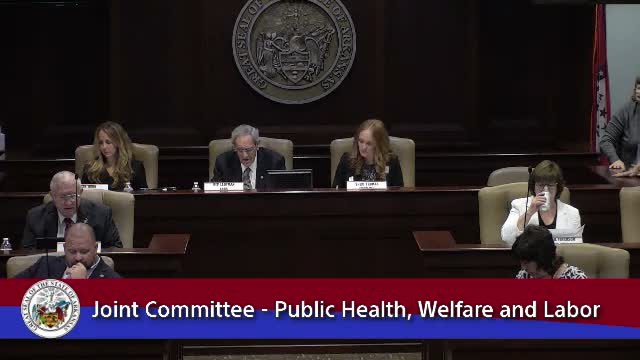
Arkansas health officials on Thursday briefed the Senate Public Health, Welfare and Labor Committee on a hepatitis A outbreak first identified in February 2018 and concentrated in the state’s northeast counties. "Hepatitis A is a vaccine‑preventable liver disease," Doctor Nate Smith, Arkansas Secretary of Health, said, adding that the state has administered more than 30,000 hepatitis A vaccine doses since the outbreak began.
Smith said the outbreak reflects a national rise in cases and that Arkansas has seen 369 cases and three deaths to date. "The greatest impact has been in the Northeast counties of our state," he said, and noted that nearly 60 percent of interviewed cases reported drug use and that injection drug use has been common. Smith said about half of the cases required hospitalization and that co‑infection with hepatitis B or C increases the risk of severe illness.
Nut graf: The Department of Health described a two‑pronged response: targeted vaccination for people at highest risk and a separate program to vaccinate and, when needed, to notify patrons exposed via infected food handlers. "Department of Health has given out more than 30,000 vaccinations for hepatitis A since the beginning of this outbreak," Smith said, and the department has proactively vaccinated food handlers — more than 500 — and offered vaccine to patrons potentially exposed.
Committee members questioned the Department about the number and types of establishments involved and the evidence for proposed training or certification requirements for food managers. Representative Ferguson asked whether the 19 infected food workers represented 19 different establishments; Smith confirmed they did and said the cases ranged from cafeterias and mom‑and‑pop restaurants to large chains. In response to whether vaccinating food managers or requiring a certification would be effective, Smith cited experience from other states and FDA reports that link certified food managers to improved compliance with food‑safety practices.
The Department estimated the direct medical and public‑health response costs at a minimum of $4,000,000 so far, not including lost productivity or business impacts, and warned the committee that case counts can lag because symptoms can appear weeks after infection.
The committee did not take formal action on policy changes during the briefing. Members signaled interest in continued monitoring of the outbreak and in measures that would make vaccination and food‑safety training more accessible.