Get Full Government Meeting Transcripts, Videos, & Alerts Forever!
Get email alerts on the Medicaid topic
No spam. Unsubscribe anytime.
DHS reports faster Medicaid provider enrollment, begins rate 'rebasing' studies that could raise some fees
Summary
DHS told the committee provider application turnaround for complete submissions is now under 30 days and that four of five Medicaid rate reviews were recommended for 'rebasing' — an actuarial step that could lead to higher rates and will require CMS review and potential budget decisions.
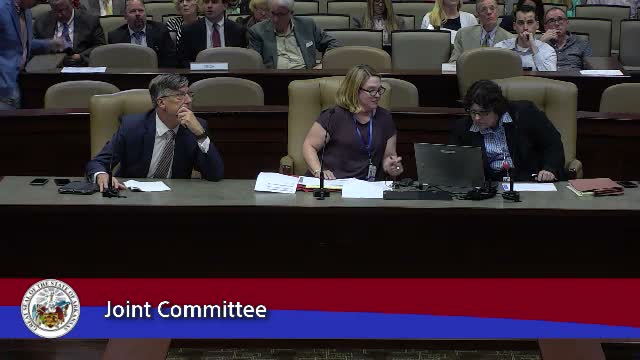
DHS officials including Jerry Kelly, Janet Mann and Deputy Director Dawn Staley briefed the committee on provider enrollment and rate reviews. They reported 805 applications were in process, about 255 site visits were completed recently, and the average processing time for a complete application has fallen to under 30 days. Staff said the department is improving portal usability, call-center consistency and provider education to reduce incomplete submissions that delay enrollment.
On rate reviews, DHS said it completed five initial studies and recommended rebasing for four of the five provider areas examined. DHS staff described rebasing as an actuarial process that uses cost surveys, utilization history and assumptions (for example, projected minimum-wage increases) to produce an actuarially sound range of rates; an outside actuary (Milliman) will turn the department’s data into formal rate ranges. The department emphasized that rebasing is step one, and any resulting rate changes would require federal CMS concurrence and potential legislative or executive-branch budget action.
Members raised methodological questions and requested clarity on response rates to the department’s provider cost surveys. DHS said response rates vary by provider type (about 20% or higher for some groups) and that it will accept survey responses through Sept. 15 for inclusion in the actuarial work with Milliman. Committee members asked for a clearly documented decision process so stakeholders understand how survey results, provider input and actuarial assumptions are combined into final recommendations.
DHS also described revalidation processes that aim to prevent improper disenrollments, noting monthly disenrollment cleanup will continue and the agency is using outreach and cross-division coordination to avoid erroneously removing legitimate providers from the rolls.