Get Full Government Meeting Transcripts, Videos, & Alerts Forever!
Get email alerts on the Occupational Licensing topic
No spam. Unsubscribe anytime.
Contested measure to move barbering under a shared Department of Health board fails after heated testimony
Summary
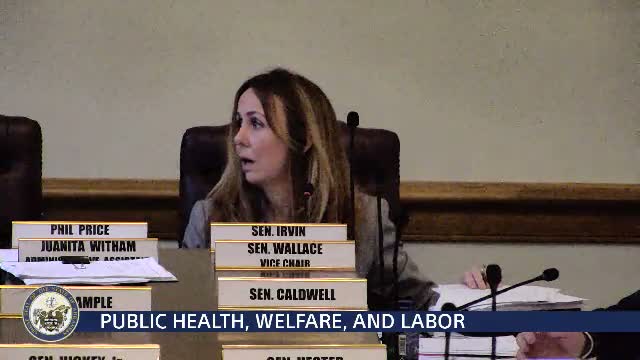
Senate Bill 5‑67 to transfer barbering under a shared advisory board at the Department of Health drew lengthy, emotional testimony from barbers, cosmetologists, the Barber Board and industry stakeholders; committee members divided and the bill failed on a voice vote.
Senator Cooper presented Senate Bill 5‑67 to reorganize barbering and cosmetology oversight under the Department of Health with a seven‑member advisory committee representing barbers, cosmetologists, nail techs, aestheticians and a consumer member. He said the change aims to resolve structural concerns flagged in national legal guidance about boards dominated by active market participants.
Testimony divided sharply. Cosmetology school owners and some barber industry voices supported the move, arguing the Department of Health model strengthens public‑health oversight. Opponents — including barber school owners, the Barber Board and many individual barbers — said the shift would dilute barber representation, impose onerous school‑opening rules (25 applicants and 2,500 sq. ft. clinic requirement), raise the minimum student age/grade and remove barber‑specific testing safeguards. Mike Wooldridge, representing the Barber Board, urged a no vote and raised multiple technical and operational concerns, including school testing, instructor experience, and the risk that small barber schools would be unable to open under new size and student requirements.
Tadasha Andrews, a practicing barber, told the committee she opposed the bill and that many barbers had not been able to participate in testimony because the schedule kept changing. The Barber Board and many practitioners said the board had supported the governor’s transformation plan to move agencies under other administrative structures but that this bill’s specific changes would end long‑standing protections and local voice. Senator Cooper said the bill aims to address federal antitrust and active‑supervision concerns and provided a legal rationale for restructuring.
After public testimony and closing remarks, the chair asked for a voice vote; the chair then said, “It seems the no's have it,” and declared the bill failed.