Get Full Government Meeting Transcripts, Videos, & Alerts Forever!
Get email alerts on the Occupational Licensing topic
No spam. Unsubscribe anytime.
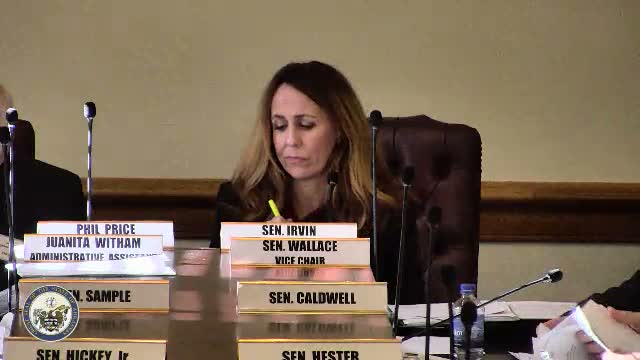
Senate committee hears overhaul to occupational-licensing rules; debate centers on public safety and re‑entry
Summary
Senator Garner’s bill would require licensing boards to list disqualifying felonies, shift the burden of proof to agencies, limit use of old convictions after five years and allow preapproval petitions; supporters say it improves re‑entry to work, while state police warn it could hinder public‑safety denials and license suspensions.
Senator Jason Garner introduced legislation that would change how Arkansas licensing boards handle applicants with criminal records, drawing extended questioning from committee members and testimony from law‑enforcement officials.
The bill requires licensing entities to adopt rules listing specific felonies that can disqualify applicants instead of using broad phrases such as “moral turpitude.” It would bar agencies from using a conviction older than five years to deny licenses except in three narrow cases, shift the burden of proof to the licensing agency to explain denials and lower the legal standard from “clear and convincing” to “preponderance of the evidence.” Garner said the changes would let people “get back to work” and reduce recidivism, noting a preapproval option so prospective students can learn before investing in training.
“After five years, somebody who has committed a crime typically has the same recidivism rate as the general population,” Garner said in committee remarks urging the change.
Opponents and some members pressed the sponsor on practical effects. Senator Hickey asked how boards would deny an applicant when a single prior felony is involved and whether the bill amounted to an automatic license once qualifications are met. Garner replied boards retain discretion to evaluate qualifications and that the measure targets only criminal‑conviction considerations, not other legitimate licensing requirements.
Mary Claire McLaren of the Arkansas State Police told the committee the agency supports the bill’s intent but has procedural concerns. She said in some licensing categories the draft language could prevent agencies from suspending licenses on arrest or from denying licensure when other evidence raises public‑safety concerns, and she cautioned that the department lacks staff and information to bear the burden of proving why a license should be denied.
Committee members also discussed exceptions for violent offenses and how parole time should be counted toward the five‑year window. Garner agreed to clarify language about the five‑year clock and whether it begins at release from incarceration.
The measure prompted robust questioning about trade‑offs between removing barriers to employment and preserving board authority to protect public safety. The committee received public testimony and then took the bill under consideration.