Get Full Government Meeting Transcripts, Videos, & Alerts Forever!
Get email alerts on the Athletic Training topic
No spam. Unsubscribe anytime.
Senate committee advances bill to modernize athletic training practice act
Summary
The Senate Public Health, Welfare and Labor Committee passed SB178 to update Arkansas’s 1996 Athletic Training Practice Act, broadening the definition of ‘physically active’ and allowing physician supervision (in addition to physical therapists) for athletic trainers; supporters said it improves access, opponents cited scope and training concerns.
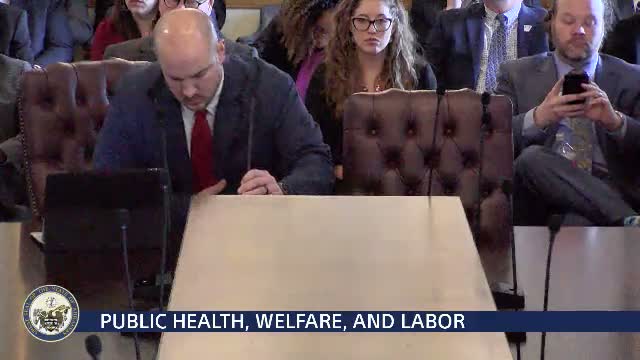
Senator Florence Garner on behalf of the sponsor told the Senate Public Health, Welfare and Labor Committee that SB178 updates language last amended in 1996 to reflect what a modern athlete is and to expand supervision options for athletic trainers. "This act was written in 1996... and it hasn't been updated since that time," she said, arguing the change would expand patient choice and help rural areas.
Jeremy Brazil, representing the Arkansas Athletic Trainers Association, testified the bill aligns Arkansas with surrounding states and preserves physician supervision while allowing athletic trainers to practice to their competencies. "The Athletic Training Practice Act was enacted in 1996... and has not been updated since that time," Brazil said, and he described collaboration between athletic trainers, physicians and physical therapists as central to patient care.
Opponents from the Arkansas Physical Therapy Association urged caution. Steve Forbush, a professor at the University of Central Arkansas and speaking for the association, said the bill leaves key terms undefined and could expand athletic trainers into rehabilitation roles typically performed by physical therapists. "There is no evidence... that there's a reduced cost of care when an athletic trainer is involved in the rehab compared to other rehab professionals," Forbush said, and he pressed for more precise definitions of "vigorous participation" and clearer scope limits.
Seth Coulter, representing RehabNet and the Arkansas Physical Therapy Association, said the bill "does not expand what an athletic trainer can do, but it greatly expands who they can do it to," expressing concerns about off-site physician supervision and regulatory oversight by licensing boards. He recommended additional negotiation between the professions before statutory changes.
Committee members questioned where liability would rest, how referrals would be handled, and whether "illness" versus "injury" language was being expanded. Supporters said collaborative agreements, referral guidelines and continuing physician oversight would be used to manage patient safety and scope.
After closing remarks from Senator Garner, the committee took up the motion to advance the bill and the chair announced the committee had passed SB178. The committee record shows the bill passed the committee; committee members signaled remaining implementation and oversight questions will be handled in rulemaking and by relevant licensing boards.
What happens next: SB178 moves from committee for further consideration in the Senate process, with sponsors and professional boards expected to refine supervisory and practice details in subsequent rulemaking or statutory clarifications.