Get Full Government Meeting Transcripts, Videos, & Alerts Forever!
Get email alerts on the Environment Policy topic
No spam. Unsubscribe anytime.
Panel backs amended plan to shift $300,000 for unpaved-roads program, prompting pushback from recycling advocates
Summary
The committee adopted an amendment reducing a proposed $500,000 allocation to $300,000 to fund an unpaved-roads grant program aimed at reducing erosion and improving water quality; solid-waste districts, county judges and recycling advocates opposed using recycling grant funds as the source. The measure passed after extended debate and public testimony.
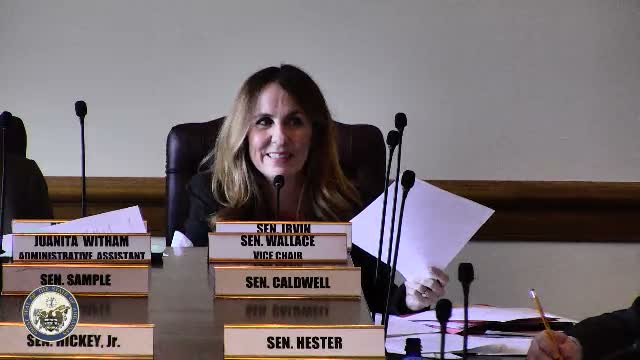
Senate Bill 377, amended to reduce the proposed one-time allocation from $500,000 to $300,000, was advanced out of the Senate Public Health, Welfare and Labor Committee after substantial public comment. Sponsor Sen. Missy Irvin said the funding will seed an unpaved-roads grant program matched by counties and leveraged with federal funds; proponents including The Nature Conservancy and program managers described existing projects and workshops that use best practices to reduce erosion and protect drinking-water sources.
Opponents, including county judges and solid-waste district directors, urged the committee not to repurpose recycling grant funds for unpaved-roads projects. County Judge Robert Aiken explained that a small number of counties receive disproportionate shares of recycling grants and warned that reducing the recycling pool could harm jobs and local programs. Martha Treece, who runs rural recycling initiatives, said the recycling grants are the backbone of community recycling and that diversion of funds would threaten existing programs.
Proponents responded that the unpaved-roads program has produced measurable environmental benefits and that the $300,000 could leverage federal matches and create a sustainable statewide program. After questions about the funding source and grant distribution, the committee voted the amended bill do pass by voice vote.
Action: The committee adopted the sponsor's amendment to reduce the appropriation to $300,000 from the recycling grants pool and recorded a do-pass recommendation by voice vote. Members asked staff to provide documentation on fund flows and impacts to recycling districts as the bill moves forward.