Get Full Government Meeting Transcripts, Videos, & Alerts Forever!
Get email alerts on the Committee Roundup topic
No spam. Unsubscribe anytime.
Committee clears slate of workforce, licensing and technical bills; several require further monitoring
Summary
The Senate Public Health, Welfare and Labor Committee passed more than 50 bills in a single session, advancing technical updates to licensing accreditation, data-sharing corrections, criminal-background checks tied to federal rules, and measures to bolster UI fraud investigation funding. Several measures were noncontroversial; others will need fiscal and implementation review.
The Senate Public Health, Welfare and Labor Committee on Wednesday advanced a broad package of bills covering professional licensing, workforce services, unemployment insurance and technical statutory updates.
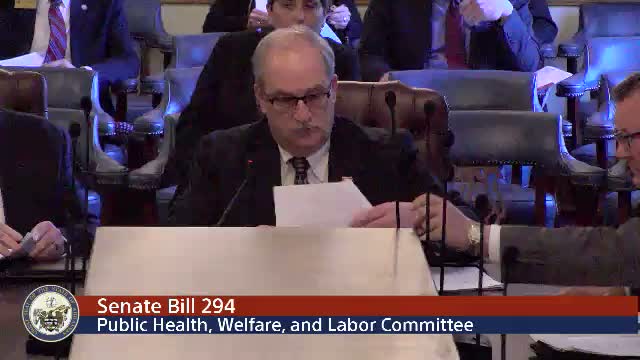
What passed: Committee members moved and passed dozens of measures, including technical accreditation-name updates for physician assistants and occupational therapists (SB 269, SB 271); registration-date changes for surgical technologists (SB 270); repeal of an obsolete certificate-recording law (SB 272); immunity for board-called expert witnesses (SB 273); a fellowship pathway for foreign medical graduates (SB 274); multiple Department of Workforce Services corrections and programmatic bills (SB 294, SB 296–SB 303); and House Bill 1365 adding law-enforcement personnel to certain communicable-disease reporting protections. The Board of Nursing will be permitted to join the FBI rap‑back system to receive automated notifications of later arrests for licensed nurses (SB 301).
Noted debates and technical points: SB 296 responds to IRS Publication 1075 and would allow the Department of Workforce Services to meet federal fingerprint and background-check requirements necessary for access to federal tax information used in overpayment recovery (agency staff said last year DWS recovered about $4,750,000 through such processes). SB 299 and companion SB 302 would increase penalties for unemployment-insurance fraud above the federal-required 15% and direct the incremental funds to a dedicated integrity account for investigations and IT upgrades; committee discussion focused on the split between funds required to go to the UI trust fund and the proposed portion kept for integrity activities.
Votes at a glance: The committee repeatedly recorded "Aye" votes and announced that each bill on the agenda passed; no roll-call tallies (member-by-name counts) were recorded in the hearing transcript.
Why it matters: The package contains a mix of low-profile statutory cleanups and higher-impact changes affecting licensing pathways, information access and how the state detects and funds unemployment-insurance fraud investigations. Several items have fiscal implications or require IT upgrades and interagency implementation.
Next steps: Bills that passed committee will be scheduled for the Senate calendar; several sponsors said they will articulate details more fully on the floor and the committee chair indicated scheduling for the coming week.