Get Full Government Meeting Transcripts, Videos, & Alerts Forever!
Get email alerts on the Income Tax Remote Work topic
No spam. Unsubscribe anytime.
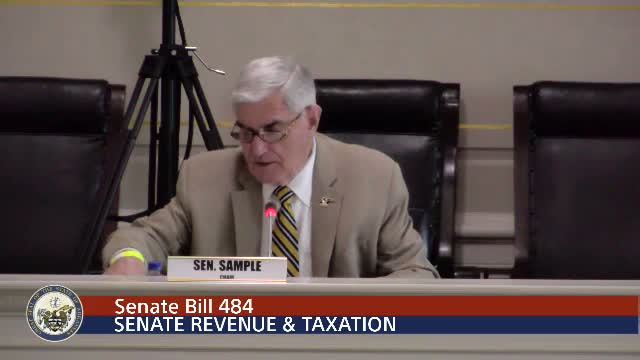
Senate committee hears technical bill to clarify tax treatment of short-term and remote workers
Summary
SB 484 would create a 30-day reciprocal safe harbor and codify a physical-location rule for remote workers; tax counsel and DFA testified the changes aim to reduce double taxation and compliance burdens but the fiscal impact is undetermined.
The Revenue & Tax Committee heard SB 484, a technical but potentially far-reaching bill affecting how Arkansas taxes nonresident and remote workers. The measure would create a reciprocal 30-day threshold for nonresident work in jurisdictions that adopt similar protections, and it would codify a rule tying income tax liability to where work is physically performed.
Matthew Bock, tax counsel for the State Chamber, told the committee the bill responds to interstate inconsistency and high compliance costs for employers and workers. "Right now, Arkansas is considered to be a one day state...If you're coming into the state…technically the law says that you need to immediately file," Bock said, and the proposed 30-day reciprocal safe harbor and codification of the physical-location test are intended to reduce burdens and double-taxation risk.
Committee members pressed counsel on practical enforcement questions — how the state would detect short visits, what audits would look like, and whether the measure could encourage cross-border tax migration. Bock told senators audits typically target employers’ wage withholding and record-keeping and said the changes could help close the tax gap by encouraging compliance for multi-day work.
Paul Gehring of DFA described the fiscal impact as "undetermined," saying existing returns do not capture the number of days nonresidents work in Arkansas and DFA could not convert historical wage and return totals into a precise revenue estimate. DFA provided sample figures on nonresident returns and collections but said more data would be needed to quantify the bill’s budgetary effect.
The committee discussed the bill’s technical complexity and practical challenges; the hearing ended without a final vote after the committee lost quorum and adjourned until Monday.