Get Full Government Meeting Transcripts, Videos, & Alerts Forever!
Get email alerts on the Early Childhood Tax Credit topic
No spam. Unsubscribe anytime.
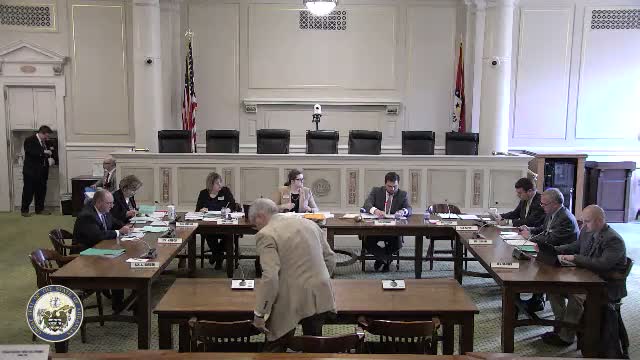
Senate committee approves tax credit to encourage preschool teacher credentials
Summary
The Senate Revenue & Tax Committee passed Senate Bill 6‑18 as amended, creating stepped income‑tax credits for early‑childhood instructors who earn certificates, associate or bachelor credentials. Supporters said the credit would help low‑paid community providers and complement scholarships and federal grants; DFA will provide a supplemental fiscal estimate for the amended bill.
A state Senate committee on Thursday approved a tax credit aimed at encouraging credentialing among early‑childhood instructors.
Senate Bill 6‑18, as amended by the Revenue & Tax Committee, establishes an income‑tax credit that increases in steps for different credentials — certificates, associate degrees and bachelor’s degrees — to promote quality in preschool programs. The committee adopted an amendment that reduced the originally proposed credit amounts to create smaller increments between credential levels.
Sponsor remarks and testimony framed the bill as part of a broader push to improve early‑childhood quality. The sponsor said the Legislature and governor recently increased funding for Arkansas Better Chance (ABC) slots by $3 million and that federal preschool block grants also grew. ‘‘We’ve done a great job on improving access,’’ the sponsor said, ‘‘still more to go, of course, but we haven’t done much as far as quality.’’ The sponsor added that the statewide early‑childhood industry is large, stating an estimated fiscal footprint ‘‘over $700,000,000.’’
Gina Dickey of the Arkansas Early Childhood Association testified in support, calling compensation a missing piece of workforce strategy. Dickey noted the association’s work with a National Governors Association grant, a Teach scholarship designation and pipeline efforts to K‑12, but said ‘‘you’re not gonna make any more money when you get out’’ without compensation changes. She added that about 70 percent of childcare is paid for by families and that community‑based programs often pay far less than school‑based programs.
The Department of Finance and Administration (DFA) told the committee it had prepared a fiscal impact for the bill as originally introduced and will provide a revised statement reflecting the committee amendment. DFA earlier estimated the unamended bill’s impact at roughly $7,500,000 per fiscal year beginning in FY2020 but indicated that the amendment will lower that figure and that a supplemental estimate will be released.
Sponsors said they are pursuing possible funding sources, including Teach scholarship funds (noted in committee as about $25.5 million in grant resources), federal funds and private partnerships, and pledged not to advance the bill on the House side without an identified funding path. The sponsor said he would work with the Department of Human Services’ early childhood division and other partners to identify offsets.
The committee approved the amended bill by voice vote after adopting the amendment. The committee did not record a roll‑call tally in the transcript; the chair announced the bill passed.