Get Full Government Meeting Transcripts, Videos, & Alerts Forever!
Get email alerts on the Property Tax topic
No spam. Unsubscribe anytime.
Committee approves bill limiting "dark‑store" comparables and requiring disclosure in appeals
Summary
Senate Bill 530, aimed at blocking valuation tactics that use vacant or restricted 'dark‑store' comparables to lower property assessments, passed the committee after proponents said the change would protect local tax bases and opponents raised constitutional and evidentiary concerns.
The Senate Revenue & Tax Committee passed legislation intended to limit use of certain vacant or restricted "dark‑store" comparables in property tax appeals and to require disclosure of lease or deed restrictions for comparable properties.
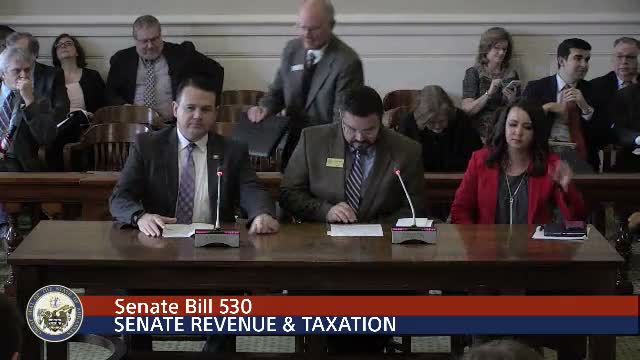
Washington County Assessor Russell Hill and Lindsey Bailey of the Association of Arkansas Counties testified for Senate Bill 530, telling the committee the measure would not change how assessors value property but would prevent large retailers and industrial companies from relying on restricted, vacant comparables that are not similarly situated to operating properties. Hill cited Michigan examples where the practice, proponents say, cost state and local governments significant property tax revenue.
Michael Parker, a tax attorney representing the Arkansas State Chamber of Commerce and Associated Industries of Arkansas, asked the committee to consider possible constitutional or procedural issues, including whether the bill’s evidence‑admissibility rules for equalization boards and county courts are internally consistent. Parker urged caution about restricting evidence and recommended further review, including potentially an Attorney General opinion.
Proponents said the bill requires disclosure of restrictions and makes clear the comparable must be similarly situated; they emphasized the measure does not bar use of comparables but requires disclosure and protects taxing entities from litigation and large revenue losses. After discussion and limited amendment work, the committee adopted the bill by voice vote.
The transcript records a disclosure by Senator Teague that his wife works as an assessor, and the chair permitted him to vote. The committee indicated the sponsor and interested parties may continue to refine language as the bill moves forward.