Get Full Government Meeting Transcripts, Videos, & Alerts Forever!
Get email alerts on the Tax Appeals Commission topic
No spam. Unsubscribe anytime.
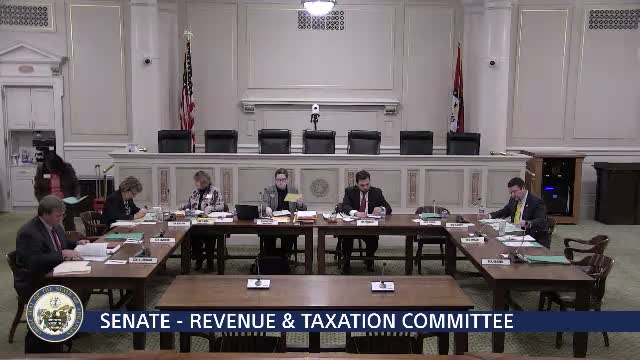
Committee advances bill to create independent tax-appeals commission after procedural delay
Summary
Senate Bill 560 would create a five-member tax appeals commission to hear administrative tax appeals; DFA opposed citing higher operating costs and confidentiality concerns, but the committee passed the bill after reconsideration and expunging earlier votes.
Senate Bill 560, sponsored by Senator Johnson, would establish an independent tax appeals commission of five commissioners appointed by the governor and confirmed by the Senate, create a small-claims division by rule and preserve judicial relief options.
Johnson said the commission aims to separate the appeals process from the agency that issues assessments, giving taxpayers greater perception of independence. He described a transition timeline: commission created by August 2020, initial commissioners named by September 2020, and hearings beginning in January 2021.
Representatives of the Arkansas Department of Finance and Administration (DFA) — Paul Gehring and Michelle Baker — signed up to speak against the bill. DFA told the committee it currently employs two administrative law judges (ALJs) and one support staff position with combined salaries of about $200,500 and said the bill’s commission structure would likely cost significantly more. DFA estimated commissioner compensation at roughly $147,000 per year per commissioner and flagged additional needs for support staff and court reporters. DFA also raised confidentiality concerns, saying existing tax procedure hearings are confidential and that federal tax information and other sensitive records are protected under current practice; the bill’s default public‑forum language could require frequent petitions to close proceedings.
Committee members questioned how the new commission would differ from the current DFA structure and whether separation was sufficient under existing reporting lines and physical office locations. After initial debate the bill failed on an earlier voice vote when some members were absent; the sponsor asked for the item to be carried until later in the agenda. The committee subsequently expunged the earlier votes, reconsidered and passed the bill on a later motion.
The transcript records committee concern about cost and workload for five commissioners versus the current ALJ staffing, but it also shows a recurring member interest in creating a body perceived as independent of the revenue‑assessing agency. The committee directed no formal staff follow-up in the hearing beyond DFA’s commitment to supply fiscal details and legal comments; the bill passed committee after the second vote.