Get Full Government Meeting Transcripts, Videos, & Alerts Forever!
Get email alerts on the Highway Funding Sb336 topic
No spam. Unsubscribe anytime.
Senate committee approves highway funding bill that adds small indexed fuel tax and new EV/hybrid registration fees
Summary
The Senate Revenue & Tax committee passed SB 336 to raise a percentage‑based fuel tax tied to regional 2018 DOE prices, dedicate casino receipts above $31.2M to highways and impose $100 hybrid/$200 electric registration fees; proponents called it necessary revenue, opponents said the vehicle fees are punitive and urged study.
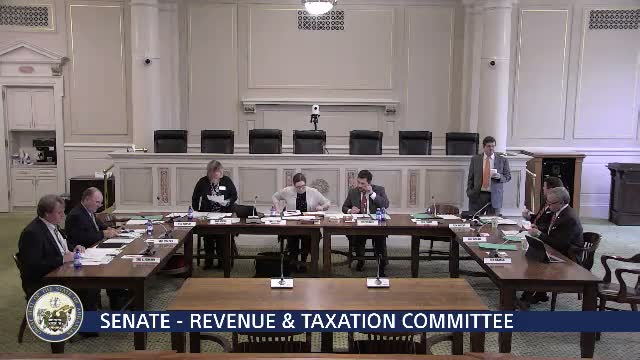
Senate lawmakers on the Revenue & Tax Committee on Friday advanced Senate Bill 336, a multi‑part highway funding package that would index a new percentage‑based tax on gasoline and diesel to regional 2018 prices, dedicate casino receipts above a baseline to highway funding and impose new registration fees on hybrid and electric vehicles.
Sponsor Senator Rice, who introduced a brief technical amendment early in the hearing that the committee adopted, told members SB 336 is intended to be “substantial, prudent and long term.” He said the measure would base a new percentage tax on the U.S. Department of Energy’s reported 2018 Gulf States average fuel price, multiply those prices by set percentages (1.6% for gasoline, 2.9% for diesel) and thereby raise roughly 3¢ a gallon on gasoline and 6¢ a gallon on diesel. Rice said the combined change and other provisions would raise an estimated $86,000,000 annually, including about $58,000,000 for the Arkansas Department of Transportation and about $26,000,000 for city and county road funding, with new revenues beginning Oct. 1, 2019.
The bill would also redirect casino tax revenue above a $31,200,000 baseline to highways, with a governor commitment to guarantee at least $35,000,000 in early years; Paul Goering of the Department of Finance and Administration told the committee that the $31.2 million remains general revenue and that amounts above that cap would be dedicated to highways, with transfers beginning at the end of the fiscal year and projections showing growth as additional casinos open.
SB 336 includes a new $100 registration fee for vehicles defined as hybrids and a $200 annual registration fee for electric vehicles. Those proposed fees drew the most public attention. Opponents at the hearing — including members of the Sierra Club, individual hybrid and electric vehicle owners and environmental advocates — argued the fees are disproportionate to avoided fuel tax payments and would discourage adoption of clean vehicles.
"These additional annual registration fees are excessive," said Glenn Hooks, director of the Arkansas Sierra Club, urging the committee to refer the fee provision to interim study so lawmakers can calculate a data‑driven, evidence‑based fee. Bruce McMath of the Sierra Club and Citizens First Congress said the hybrid fee is “punitive” when compared with the modest fuel‑tax savings hybrid owners receive and recommended making any additional charge proportional to actual fuel‑tax savings or sending the issue to study.
Business and transportation groups supported SB 336. Randy Zook of the Arkansas State Chamber of Commerce said the package is a reasonable response to long‑standing infrastructure needs and pledged the Chamber’s support; Shannon Newton, president of the Arkansas Trucking Association, said the trucking industry pays a large share of road user fees and supports sustainable, long‑term highway funding.
Committee members pressed DFA for details on timing and whether the governor’s discretion to designate funds could be used to meet the guaranteed $35,000,000 transfer in early years. DFA said projections — which the agency provided to members — show increased casino receipts when a third casino opens and that restricted reserve or other governor‑designated funds could temporarily make up the shortfall until casino revenues rise.
Several committee members and witnesses recommended alternatives to the flat hybrid/electric fees, including prorating by weight, correlating fees to emissions or miles driven, or raising the wholesale gas tax by an additional cent to produce larger revenue from broader sources. Witnesses repeatedly urged that, because the EV fleet in the state remains small, placing a high flat fee on those owners risks discouraging future adoption and high‑value investment in clean‑energy businesses.
After public testimony and member discussion, Senator Ingram moved to pass the bill; Senator Bledsoe seconded. The committee approved SB 336 by voice vote and the chair announced the bill passed.
The committee record shows the bill passed the committee; the transcript does not include a roll‑call tally. Next procedural steps will follow according to Senate rules and the legislative calendar.