Get Full Government Meeting Transcripts, Videos, & Alerts Forever!
Get email alerts on the Sales Tax topic
No spam. Unsubscribe anytime.
Committee approves bill to shield small retailers from penalties over candy, soft‑drink sales tax
Summary
The Revenue & Tax committee passed House Bill 1005, which would codify a practice that protects retailers who make a good‑faith effort to comply with Arkansas’ grocery sales tax treatment of candy and soft drinks; the Department of Finance and Administration told lawmakers it cannot compile a UPC list of taxed items.
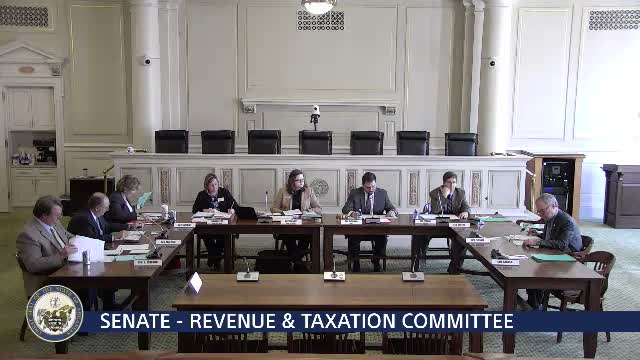
House Bill 1005, sponsored by Representative Davis, cleared the Senate Revenue & Tax committee after a short debate when members voted in favor of moving the measure forward.
The bill moves language now placed as special‑session appropriation into statute and requires the Department of Finance and Administration (DFA) to either produce a list of items that qualify as "candy" or to refrain from penalizing retailers who make a good‑faith effort to classify items for grocery sales tax purposes. Representative Davis said the bill is intended to provide "hold harmless" protection for smaller retailers facing a complex federal/Streamlined Sales Tax definition of candy.
The measure matters to Arkansas retailers because the statute treats items defined as "candy" differently from other foods. As DFA witness Paul Gehring put it during committee testimony, the definition is ingredient‑based and changes in product recipes or UPC data can make compliance difficult. "We are not capable of compiling this list," Gehring said, noting the agency does not receive retailer inventory or UPC feeds and some vendors maintain proprietary databases.
Gehring told the committee DFA’s current audit practice does not generally impose penalties for inadvertent misclassification absent evidence of careless disregard or egregious noncompliance. Committee members pressed on whether codifying the practice would reassure small stores that lack resources to maintain UPC databases. Senator Johnson said the change would provide retailers "some level of comfort" that they would not face penalties if they make a good‑faith effort.
Under the bill, retailers would still be required to collect and remit any applicable tax; the protection applies to penalties only. The committee approved the bill by voice vote after a motion and a second. Representatives and DFA staff said they will continue to coordinate language if needed.
The committee did not record a roll‑call tally during the voice vote; the chair declared the motion passed. The measure now moves to the next Senate step for further consideration.