Get Full Government Meeting Transcripts, Videos, & Alerts Forever!
Get email alerts on the Opportunity Zones topic
No spam. Unsubscribe anytime.
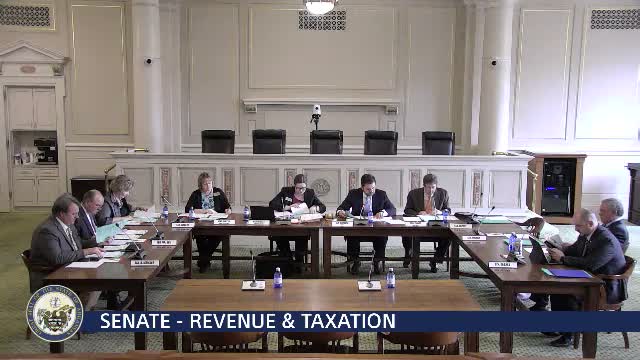
Senate panel adopts amendment and passes bill mirroring federal Opportunity Zone tax breaks
Summary
The Senate Revenue & Tax committee adopted an amendment and passed SB196, which mirrors federal Opportunity Zone capital-gains incentives for designated tracts; the presenter said the state break would follow federal timing (50% step-down after five years, elimination after 10).
Senate Bill 196, which would mirror federal Opportunity Zone tax treatment for designated census tracts, was amended and approved by the Senate Revenue & Tax committee.
The committee adopted an amendment to add sponsors and correct a date in the bill, then heard the bill’s presentation. The presenter said the measure tracks last year’s federal tax act provision for Opportunity Zones and follows the federal designations the governor selected. "It's called an Opportunity Zone," the presenter said, summarizing the policy. He described the incentive as: "If they stay for 5 years, then they will, if they sell, they get a 50% discount on the capital gains. After 10 years, they have 0 capital gains." The presenter told the committee there are 85 designated tracts and that uptake by businesses will determine any fiscal effect.
A committee member asked a technical question about which date applied for income tax purposes; the presenter confirmed the income tax reference year. With that clarification, the committee voted by voice and approved SB196 as amended.
The bill’s sponsor told the committee staff that a state fiscal impact is not yet calculable because the number of businesses that will use the incentive is unknown and any revenue effects would occur over several years. The committee recorded the amendment’s adoption and the bill’s passage by voice vote. The chair closed consideration and moved on to later agenda items.