Get Full Government Meeting Transcripts, Videos, & Alerts Forever!
Get email alerts on the Adoption Reform topic
No spam. Unsubscribe anytime.
Committee hears interim study on adoption practices after trafficking allegations; supporters urge licensing, conflict‑of‑interest rules and open adoption talks
Summary
Representative Penzo and Josh Bryant briefed the committee on an interim study (linked to Act 1022) prompted by arrests in multiple states; testimony described alleged trafficking and living conditions for pregnant women and urged a study of conflicts of interest, limits on payments to biological parents, licensing of facilitators, jurisdictional tightening and consideration of open adoptions.
Representative Penzo introduced an interim study proposal (ISP) and Josh Bryant summarized the study’s scope, urging the committee to examine conflicts of interest and regulatory gaps in private adoptions after recent arrests and indictments in multiple states.
Bryant described investigators’ encounters with women who said they had been treated like property, referenced reported living conditions (multiple pregnant women housed together, some sleeping on floors), and recounted reporting from federal prosecutors about alleged trafficking‑style conduct. In testimony Bryant said, quoting the U.S. Attorney who announced indictments, 'make no mistake about it. This is human trafficking in its purest form.' (Bryant presented that quotation as reporting on the U.S. Attorney’s remarks.)
Bryant said the ISP would focus on several areas: conflicts of interest where the same attorney or agency represents both adoptive and biological parents; tightening jurisdictional thresholds so out‑of‑state or nonresident placements are not improperly processed through Arkansas courts; a narrower statutory definition of permissible payments from adoptive parents to biological parents (he said the current allowance for 'general maintenance' has been exploited); licensing and enforcement mechanisms for unlicensed adoption facilitators; and whether Arkansas should allow or promote open adoptions.
Bryant and Representative Penzo emphasized victims’ well‑being and the need to bring stakeholders—including adoption attorneys, prosecutors and advocacy groups—into the study to craft enforceable reforms. Senator Bond asked whether the draft had been vetted with experienced adoption attorneys; Bryant said the sponsors have been in contact with members of the American Academy of Adoption Attorneys and plan broader stakeholder engagement.
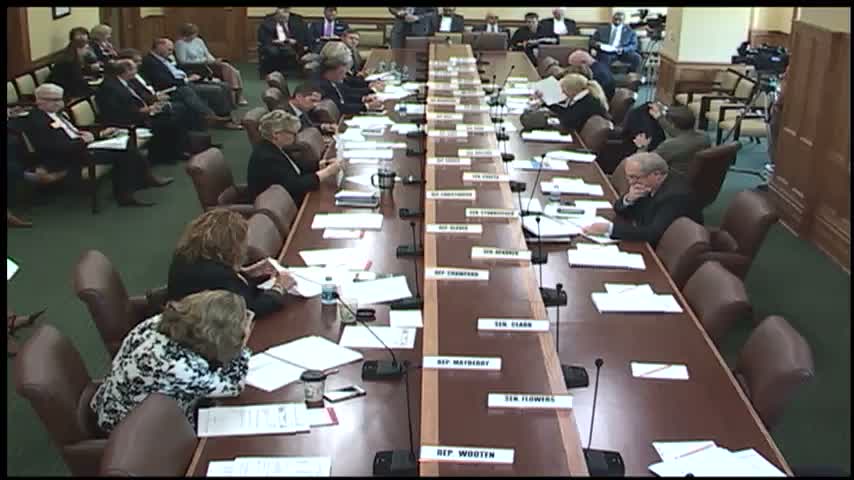
The chair clarified the committee had already adopted the study at a prior meeting; this session served as an informational presentation and stakeholder briefing.
Committee members raised concerns about whether conflict‑of‑interest rules could impede pregnancy‑crisis organizations that provide prenatal support and referrals, and asked the study to weigh any impact on adoption access and costs against child‑welfare protections.
Next steps: committee staff will include this ISP in the interim study docket and work with sponsors to convene stakeholders for drafting options.