Get Full Government Meeting Transcripts, Videos, & Alerts Forever!
Get email alerts on the County Health Benefits topic
No spam. Unsubscribe anytime.
Harrison County approves 2025 health plan renewals, tightens prescription program to save about $311,000
Summary
The Harrison County Commission voted 4‑0 to approve a five‑part 2025 health‑benefits renewal that includes a reinsurer early renewal, expanded gene‑therapy coverage, and a move to a stricter prescription drug package projected to save roughly $311,000; employee contributions will remain unchanged, officials said.
The Harrison County Commission voted 4‑0 to approve the county’s 2025 health‑benefits renewal package, which includes a reinsurance renewal with Symmetra, expanded coverage for gene‑therapy drugs, and a shift to a stricter prescription‑drug management program aimed at cutting drug spending by an estimated $311,000.
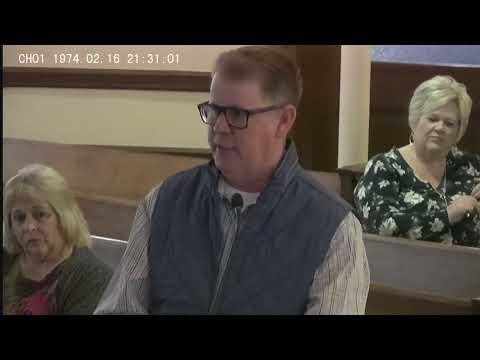
George Harmon, the health consultant presenting the package for the NITSU Group, told commissioners that the reinsurer offered an early renewal with no benefit changes and an administrative increase he described as about 2.46 percent, which he said translates to roughly a $20,000 fixed administrative cost for the county. “We decided that it was probably the right thing to do,” Harmon said, describing the tradeoff as insurance against a late‑year spike in claims.
Harmon said the reinsurer also expanded the county’s gene‑therapy coverage from five drugs to 15, raising the per‑employee‑per‑month (PEPM) cost for that coverage from $1.99 to $4.75. He framed the change as a small fixed‑cost increase that removes catastrophic exposure from the county’s risk pool.
The most substantial projected savings come from a proposed move of the drug plan from a “level 1” (limited) package to a “level 2” Advantage Plus package. Harmon summarized the clinical tools in that package — annual prior authorization, step therapy (favor lower‑cost or biosimilar alternatives where clinically appropriate), and drug‑quantity limits — and said the county’s PBM/aggregator Keenan estimated about $311,000 in annual savings from the change. “I’m recommending going from the least stringent to the second least stringent,” Harmon said. He added that about 43–44 drugs would be affected and that roughly 50–60 members could see changes in what drugs are subject to different management rules.
Commissioners asked how affected members would be handled if there was no suitable alternative. Harmon and county staff said physicians would be involved in the process and clinically necessary drugs would remain available; where no alternative exists a member would continue to receive their medication, but the plan could bear higher costs in those instances.
Harmon also reported that ancillary plans (dental, vision, basic life and supplemental life) would largely roll over with rate passes, and that the county’s Medicare supplement and Part D supplemental premiums are rising because of changes passed down by the Centers for Medicare & Medicaid Services (CMS). He characterized those increases as market pass‑throughs that affect all carriers.
On funding, Harmon said the county receives pharmacy rebates that are passed directly back into the county’s claims account, not diverted elsewhere. He recommended keeping employee contribution amounts unchanged for the 2025 plan year.
After the presentation and a brief question‑and‑answer period about member impact and implementation, Commissioner Ebor moved to approve the five items as presented; Commissioner Timmons seconded. The motion passed unanimously, 4‑0. The commission directed staff to begin the member notification process for those affected and to implement the approved changes with the plan effective Jan. 1, 2025.
The commission had no business for executive session and adjourned at 11:02 a.m.