Get Full Government Meeting Transcripts, Videos, & Alerts Forever!
Get email alerts on the Fleet Management topic
No spam. Unsubscribe anytime.
Harrison County reviews vehicle fleet, reports 24 sales and $337,458 returned to county
Summary
County staff and a fleet-management representative reviewed fiscal year 2024 fleet performance: 24 vehicles sold returning $337,458, 38 vehicles exceed 100,000 miles, 23 active recalls, and plans to replace high‑mileage units in FY25.
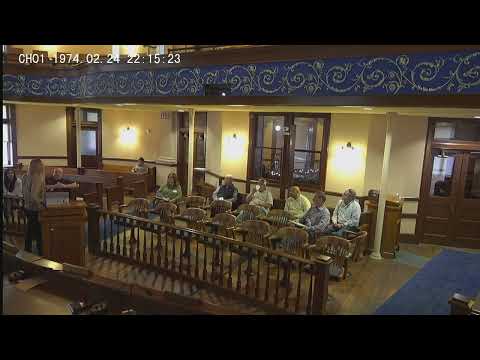
Harrison County officials and a fleet-management representative met for an annual client review covering fiscal year 2024 fleet performance, resale proceeds and upcoming vehicle orders.
The presenter said the county sold 24 vehicles in FY24 and that sales returned $337,458 to the county, roughly $14,000 per vehicle on average. "So we sold 24 vehicles. Total gain back to the county was $337,458," the presenter said, noting resale equity helps stabilize lease payments and fund replacements.
On operating costs, the presenter said lease expense remained roughly steady year over year because equity rolled back into replacements kept payments level even as the fleet grew. An administrative finance error was corrected and a $16,200 credit was issued back to the county, the presenter said.
Staff discussed toll citations and recommended toll tags for vehicles that regularly pass toll points. The presenter explained that enterprise automatically pays tolls for enterprise‑titled vehicles but advised installing pursuit tags for patrol vehicles because toll readers cannot reliably detect emergency exemptions.
Safety and maintenance were a key focus: the presenter reported 23 active recalls affecting county vehicles from 2022 through the current year and urged attention to any safety‑critical recalls before vehicles are driven or before they are picked up for resale. "There's 23 recalls on on county vehicles right now," the presenter said; discussion followed on which recalls mobile repair units can address versus those requiring shop work.
The county also has a number of high‑mileage vehicles: the presenter said 38 vehicles have more than 100,000 miles and that several FY25 orders are scheduled to replace older units. Staff described routine pre‑turn‑in inspections (tires, lights, bodywork) to limit chargebacks at resale and discussed sending paperwork to the fleet representative when repairs are completed.
Non‑enterprise county assets (for example older county cars and some boats) will be handled through the county purchasing/auction process, staff said. Staff agreed to send the purchasing agent surplus listings and to add items to a surplus agenda ahead of disposition.
Next steps recorded in the meeting: the fleet representative will send a link for pursuit/toll tags to county purchasing staff; county staff will forward repair paperwork for recalled vehicles and place surplus items on the agenda for auction. No formal votes or motions were recorded during the review; the session closed after follow‑up items were agreed.
The review centered on operational maintenance, resale strategy and vehicle replacements planned for FY25, with staff and the fleet representative agreeing to specific follow‑ups on toll tags, recall paperwork and surplus disposition.