Get Full Government Meeting Transcripts, Videos, & Alerts Forever!
Get email alerts on the Subdivision Code Update topic
No spam. Unsubscribe anytime.
Gonzales County near‑final subdivision code draft focuses on water rules, shared wells, fees and road standards
Summary
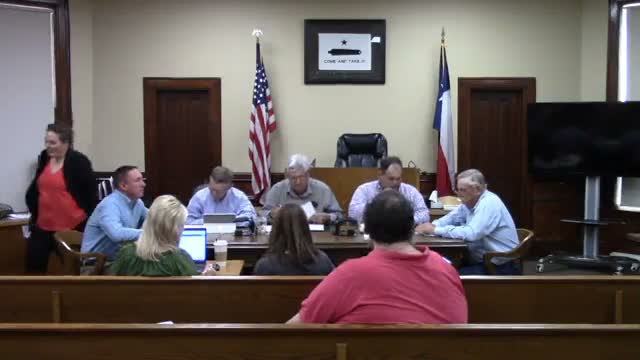
At a subdivision workshop during the September 2024 commissioners meeting, a county consultant presented a near‑final redraft of the subdivision code and commissioners debated water‑availability proof, shared‑well agreements, driveway/road standards, setbacks, and a proposed fee schedule; staff aim to present a final draft at the next meeting.
A county consultant presented a near‑final, more than 100‑page redraft of Gonzales County's subdivision code during a September 2024 workshop, telling the court the document is close to completion and that technical details will be placed in appendices so staff can update them without formal code amendments.
"We're, we're 90% there," the consultant said, summarizing the status of the rewrite. The draft addresses technical specifications, fee schedules, notification and disclosure requirements, water‑availability evidence and procedures for shared‑well arrangements.
Commissioners and staff spent the bulk of the workshop on water availability and shared‑well concerns after project representatives described plans for subdivisions that rely on shared wells. For one project the presenter described roughly 165 acres that could be divided into about 20–25 lots and suggested 5–7 shared wells; a groundwater test was cited as producing "15 plus gallons per minute." Commissioners pressed for contractual protections, shared‑well agreements, deed covenants and clearer evidence that wells will meet long‑term demand. The consultant recommended requiring demonstrated water availability and including shared‑well agreements that are recorded with the plat prior to approval.
Nuisance issues also came up: commissioners noted existing nearby operations (e.g., poultry operations, oilfield traffic) that can generate dust, flies and odors and discussed whether plats should require disclosure language or other protections for buyers. The consultant proposed drafting a short disclaimer amendment to the current ordinance and also incorporating disclosure language into the updated code.
The court debated road and driveway standards, including minimum road‑frontage widths to reduce flag lots. Options discussed included keeping a 60‑foot standard, adopting 100‑foot right‑of‑way language to discourage flag lots, or a compromise of 30–40 feet. Commissioners also discussed driveway permit tiers and inspection procedures; an informal consensus emerged around creating a fee schedule (to appear in an appendix) that covers county inspection costs and is adjustable by staff recommendations.
Public safety and enforcement were addressed: the county fire marshal proposed inspection fees and asked that collected fees be deposited in a separate account for training and equipment; commissioners signaled support and asked staff to prepare the formal fee and accounting language.
The consultant and staff said they will circulate a final draft, submit the code to the county attorney for review and aim to return the document for adoption at the next commissioners court meeting, roughly three weeks away. Commissioners asked staff to provide sample shared‑well agreements, water studies and proposed fee tables before that meeting.