Get Full Government Meeting Transcripts, Videos, & Alerts Forever!
Get email alerts on the Public Safety Radio topic
No spam. Unsubscribe anytime.
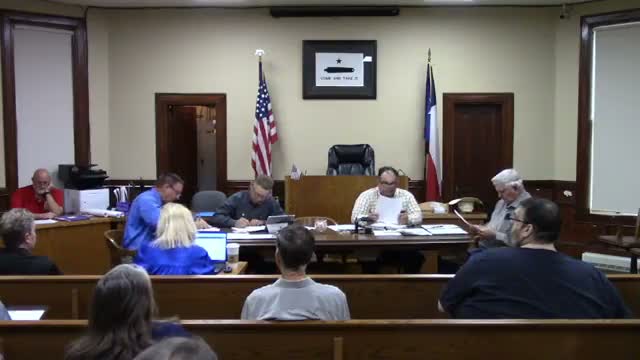
Gonzales County Considers Joining TxDOT 'Gators' Radio Network; First Responders Ask About Coverage and Costs
Summary
County officials and first responders heard a presentation from TxDOT and Gators partners on a statewide trunked radio option that could expand handheld coverage and reduce per‑unit subscription costs. Commissioners asked detailed questions about coverage gaps, equipment lifespan and who would maintain towers and generators.
A presentation to the Gonzales County Commissioners Court outlined a proposal for the county to join a TxDOT‑backed statewide radio network known in the record as the "Gators" system, a trunked VHF system that the presenters said can interoperate with other regional systems and fallback to LTE or Wi‑Fi via a Smart Connect feature.
The sheriff and TxDOT representatives described the network's technical features and partnership model, saying TxDOT and partner agencies would handle infrastructure maintenance and some upgrade costs while the county would retain responsibility for its own subscriber radios and on‑site equipment. Staff showed a proposed coverage map and said vehicle/mobile coverage would be county‑wide in the proposal, with some handheld gaps remaining unless additional tower sites are built.
Commissioners and first responders pressed presenters on specific operational questions: how deputies would communicate when leaving the county, whether handhelds would need channel changes to speak with neighboring counties, who would run fiber and generators at tower sites, and what happens after the stated 7‑year equipment lifecycle. Presenters said the county would typically maintain existing tower sites it owns, TxDOT could fund site upgrades or new sites through partner grants (including SWIC funding), and that renewal conversations would begin in years five or six of the lifecycle.
Speakers offered an estimated recurring‑cost savings argument: one speaker noted the county operates about 400 radios at roughly $20 per unit per month (about $100,000 annually), and said TxDOT participation could reduce those subscription costs because certain master‑site connection fees and maintenance could be covered by partners. Multiple local public‑safety officials said LCRA's system currently provides good service in many parts of the county and acknowledged the decision hinges on coverage trade‑offs versus potential cost savings.
The court did not take a formal vote on a contract or agreement during the meeting. Presenters advised that joining the statewide network would require negotiated agreements and that the process of finalizing legal terms and construction could take six months to a year depending on agreements and permitting. The court asked staff to pursue further information and to consider a separate meeting for contract negotiations if commissioners want to move forward.