
Elmbrook board approves large community committee to study school start times
Get AI-powered insights, summaries, and transcripts
Subscribe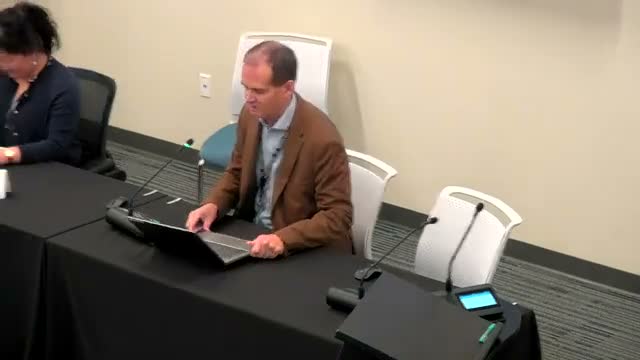
Summary
The Elmbrook School District approved a 90‑person school start‑time committee (81 applicants plus students and two board members) and a 10‑member advisory panel to synthesize findings. The committee will meet November through March and deliver recommendations on start times and related policies.
The Elmbrook School District board authorized formation of a broadly representative study group to consider school start times and related policy changes, voting Tuesday to include all 81 citizen applicants, nine students, and two board members in a series of facilitated meetings.
Process and scope: District facilitator Chris (first referenced as speaker 34) said the design pairs large table-based discussions with a smaller advisory committee selected from the larger group. “This committee will be formed…from the 90 participants and will consist of approximately 10 committee members and the two board members who have agreed to participate,” Chris said. The plan calls for five convenings between November and March, an embedded community survey, and a final recommendation to the board in March.
Why the large group: Board members acknowledged initial concern about sheer size but supported the approach because it will let subject-matter experts, parents, staff, and students surface many perspectives. “Given how you described the plan to organize and carry this out and gather enough input from many areas of expertise I can support moving this forward,” one trustee said.
Structure and student involvement: Organizers said tables of eight will be mixed so each small group includes parents, staff, students and experts; table representatives will feed findings to the advisory committee. The facilitator said principals selected nine secondary students to participate. The board debated whether students should serve on the advisory subgroup; some trustees suggested student input be captured through survey work while adults serve on the final advisory panel.
Deliverables and transparency: Agendas and supporting materials will be posted in BoardDocs. The group’s objective is to produce an evidence‑based start‑time recommendation for elementary, middle and high schools—grounded in sleep research, student performance data, stakeholder perspectives and operational constraints (transportation and staffing). The advisory committee will provide progress reports to the board, with a final recommendation scheduled for March.
Next steps: The motion to form the committee and approve the critical success factors passed on voice vote. Administration will notify participants and circulate meeting logistics; the board requested mixed‑table staffing and multiple ways for people to contribute if they cannot attend.
Context: The issue reflects a broader strategic goal adopted earlier by the board to review middle-school programming and schedule structures. Several trustees emphasized that the committee must be well‑facilitated to capture substantive input from a large group and to ensure usable recommendations for the board by the March deadline.