Get Full Government Meeting Transcripts, Videos, & Alerts Forever!
Get email alerts on the School Budget topic
No spam. Unsubscribe anytime.
Appleton Area School District proposes $336 million 2024–25 budget, cites $11M structural deficit and lower mill rate
Summary
At a public hearing the Appleton Area School District presented a $336 million proposed 2024–25 budget, projecting an $11 million shortfall (about $8.5 million structural), proposing a mill rate of $6.10, and outlining plans to use fund balance while urging continued state advocacy; a public commenter urged local action to fully fund special education.
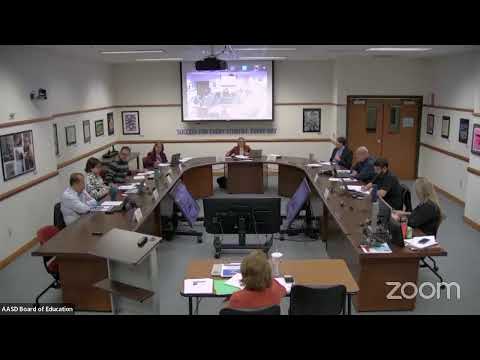
The Appleton Area School District on Tuesday held a public hearing to present its proposed 2024–25 budget, which officials said would increase total spending to about $336 million and include more than $65 million in construction costs tied to a voter-approved referendum.
Kayla, the district presenter, said the district projects general fund revenues of roughly $214.4 million and general fund expenditures of about $225.3 million, producing a budget gap of approximately $10.9 million for 2024–25. Of that gap, staff described roughly $8.5 million as structural — an ongoing shortfall — and about $2.4 million as one-time costs. The district plans to use available fund balance to cover the deficit this year.
The presentation noted the district closed 2023–24 with a total fund balance just over $54.1 million, of which nearly $39 million is reserved or assigned for specific purposes (health plan costs, carryover for schools and departments, and cash-flow reserves), leaving about $15.3 million unassigned and available.
Officials said increases in state equalization aid tied to the state biennium budget will help lower the district’s property tax levy. Kayla said the district expects to receive roughly an additional $10.3 million in state aid for 2024–25 and projects a $2.3 million decrease in its property tax levy as a result. Using an equalized property value just over $12.4 billion, the district proposed a mill rate of $6.10 per $1,000 of equalized value for 2024–25, a decline from the prior year and, according to the presentation, the lowest mill rate tracked by the Wisconsin Department of Public Instruction in 40 years.
Board members stressed the distinction between the district’s budgetary position and taxpayer impacts. An unidentified board member noted the district faces an approximately $11 million deficit with about $8 million of that structural and said some major budget drivers (the state revenue limit, equalization aid and local property values) are outside the board’s direct control. The member also defended the 2022 referendum decisions as an attempt to fund capital needs while minimizing taxpayer impact.
Several board members and staff discussed special education funding pressures. The presenter said the district’s Fund 27 (special education) relies on several revenue sources but must be subsidized from the general fund because current state reimbursement covers roughly 33 cents on the dollar. A board member said the cumulative special education shortfall over several years appears to exceed $100 million and pressed whether a higher reimbursement rate from the state would materially reduce the district’s budget pressure; Kayla responded that substantially higher reimbursement (for example, moving toward 60% of costs) would make the current year nearly balanced but would not eliminate longer-term fiscal challenges.
During public comment, Oliver Zarno, identifying himself as a parent, alumnus and taxpayer, urged the board to take local action rather than rely solely on Madison. Zarno said he has observed understaffed special education services and argued that the district’s tax rate remains below the state average despite the referendum and a levy that passes some property tax to private school vouchers; he suggested the board consider using community service funds or placing a local referendum before voters to shore up operating resources.
The board did not vote on the budget or levy at the hearing; trustees were scheduled to vote on adoption of the budget and certification of the tax levy at the regular board meeting immediately following the hearing. The presenter directed board members to more extensive fund detail in the budget booklet and said staff will continue to advocate at the state level during the next biennial budget process.
Clarifying details from the presentation: the district cited a 2023–24 tax levy of about $78.1 million and a mill rate of roughly $6.53 per $1,000; a district-issued debt of $14.8 million in 2024 is the second issuance tied to the referendum, and an additional $25 million debt issue is anticipated in summer 2025, leaving total outstanding debt cited at about $79.8 million. The presenter also explained an apparent discrepancy between two slides: $114.8 million represented strictly state equalization aid on one slide while a $116 million figure on another included personal property tax and computer aid.
What’s next: the board planned to consider approval of the budget and certification of the tax levy at its regular meeting immediately following the hearing; staff indicated continued advocacy with state legislators and that further detailed questions would be addressed during the full board session.