Get Full Government Meeting Transcripts, Videos, & Alerts Forever!
Get email alerts on the Elections topic
No spam. Unsubscribe anytime.
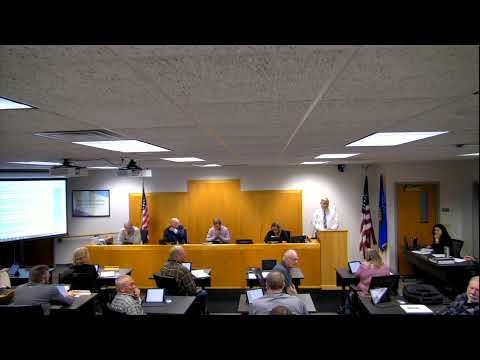
Chippewa County elections office outlines preparations, defends equipment ahead of Nov. 5
Summary
County elections staff reviewed training, ballot production and security steps ahead of the Nov. 5 general election, described ClearBallot equipment and audits, and explained absentee-ballot procedures, drop-box policies and safeguards against double voting and noncitizen voting.
Elections staff for Chippewa County told the county board on Oct. 8 that the office has run a year of training and is on schedule for the Nov. 5 general election, detailing ballot production dates, public tests and reconciliation steps.
The elections presentation, delivered to the board by the county election office, said ballots were programmed and ordered Aug. 29, delivered beginning Sept. 12, and that absentee ballots were mailed starting Sept. 12–19. Staff emphasized they printed ballots on time rather than delaying while a pending court case over a candidate’s ballot status remained unresolved.
On equipment, the office described its ClearBallot suite — naming ClearCast tabulators, Clear Access ADA machines, ClearDesign ballot‑creation software and ClearCount post‑election image storage — and said none of the tabulators or associated computers are connected to the internet. The presenter cited county audits in 2020, 2022 and 2024 that matched tabulator totals to hand counts as evidence the equipment produced accurate results.
The office explained absentee‑ballot procedures in detail: municipal clerks record request, issue and return dates; clerks mark poll books when a voter has been issued or returned an absentee ballot; absentee certificate envelopes are checked for a voter signature and witness; envelopes remain sealed until processed at the polling place on election day and are fed into tabulators in view of poll workers.
Chief election staff and a chief inspector told the board that two people verify many steps — signature checks, poll‑book reconciliation and half‑hour spot checks during the day — and that the county conducts a public test before each election and a Board of Canvas after the election to reconcile totals.
On drop boxes and access, elections staff said municipalities decide locally whether to use secure drop boxes; 14 of the county’s municipalities use a drop box, 14 do not, and four did not respond. The presenter also summarized Wisconsin’s registration rules: registrants must self‑certify U.S. citizenship on registration forms, provide proof of identity and residence for same‑day registration, and staff check identification and residency documents where required.
Elections staff invited the public to observe public tests and the Board of Canvas, encouraged people to contact election officials with concerns, and reiterated that statutory deadlines govern how and when ballots must be produced and reconciled.